India’s Roman Equivalents: Mapping the Subcontinent’s Imperial Echoes
🏛️ Introduction The Roman Empire was a titan of antiquity—a vast dominion that shaped the political, architectural, cultural, and economic destiny of Europe and the
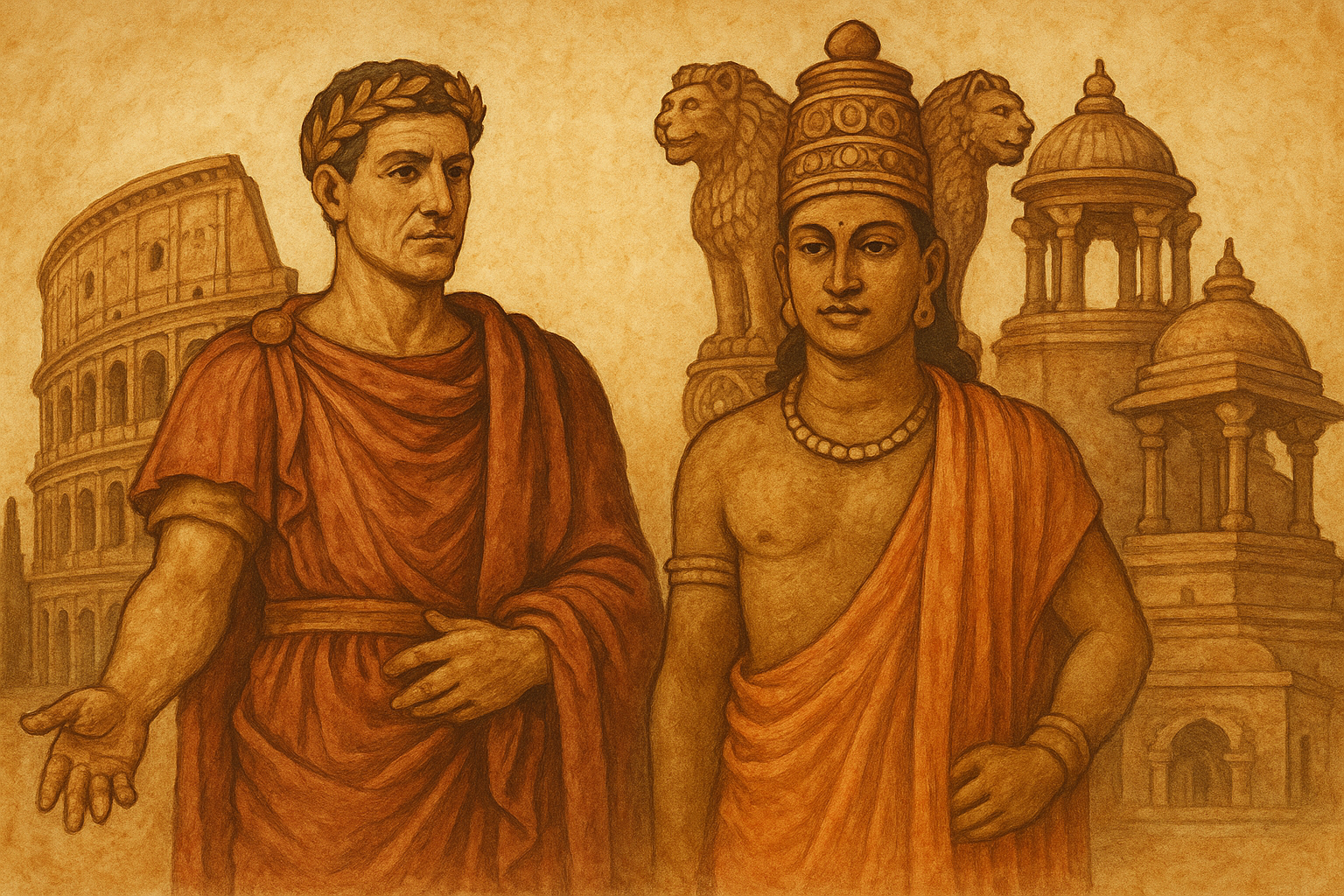
Empires, kings, and forgotten capitals — the sweep of Indian civilisation through time.
🏛️ Introduction The Roman Empire was a titan of antiquity—a vast dominion that shaped the political, architectural, cultural, and economic destiny of Europe and the
Kashmir, nestled in the lap of the Himalayas, was once a flourishing cradle of Indian civilization. It was a bastion of Hinduism and later a

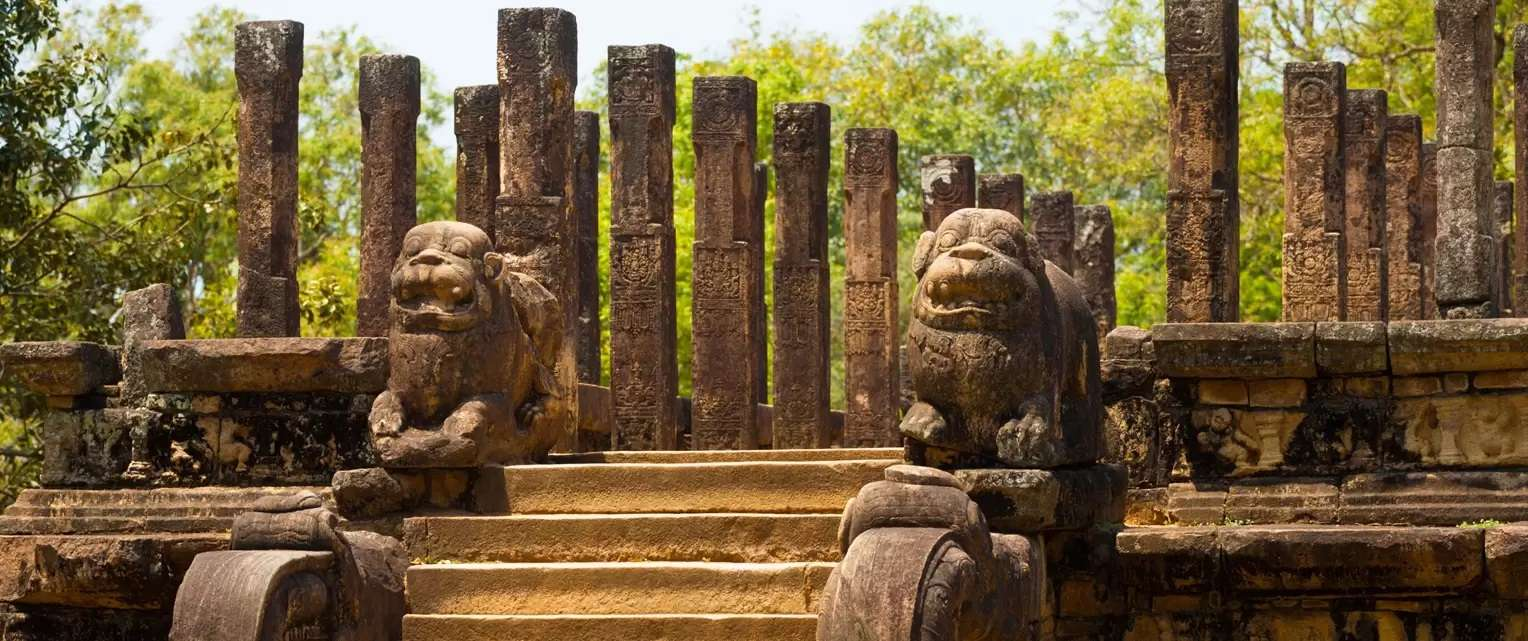
The Greatest Empire in Sri Lanka’s History – The Kingdom of Anuradhapura Sri Lanka is home to a rich and diverse history, filled with powerful
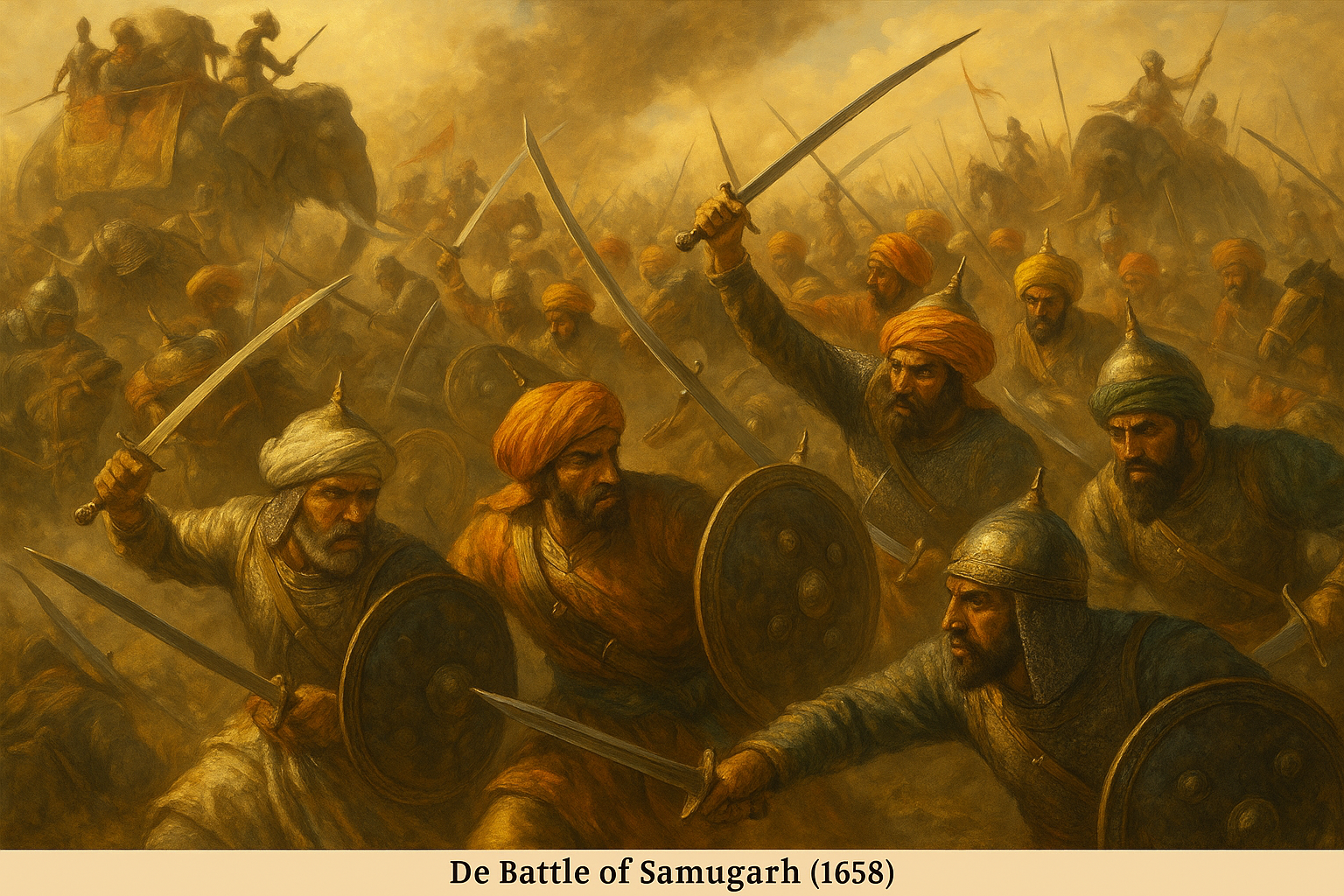
The Mughal Empire witnessed one of its most defining battles on May 29, 1658, when the Battle of Samugarh determined the fate of its throne.
Early Life and Background Dara Shikoh was born on March 20, 1615, in Ajmer, Rajasthan, as the eldest son of Mughal Emperor Shah Jahan and

Maharana Sangram Singh, better known as Rana Sanga (1482–1528), was one of the most formidable Rajput rulers of Mewar. He is remembered for his military
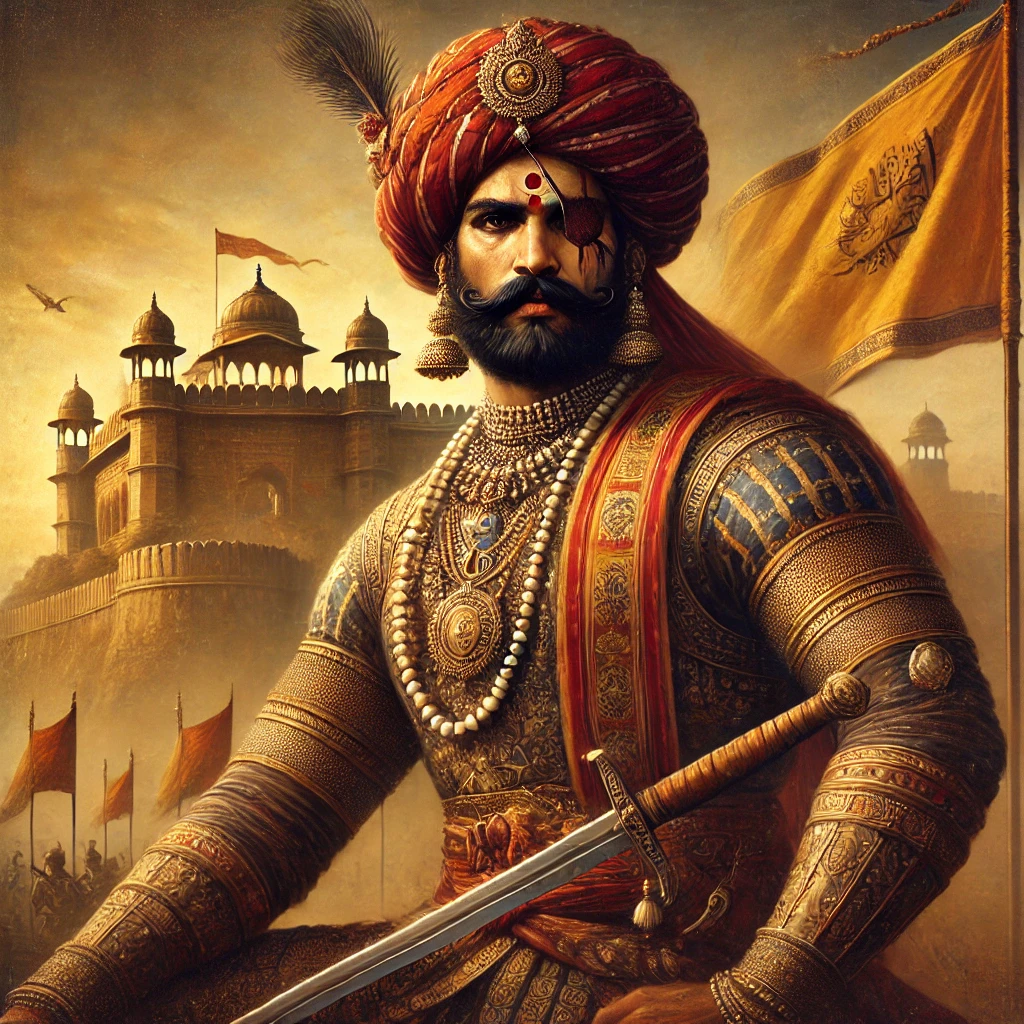
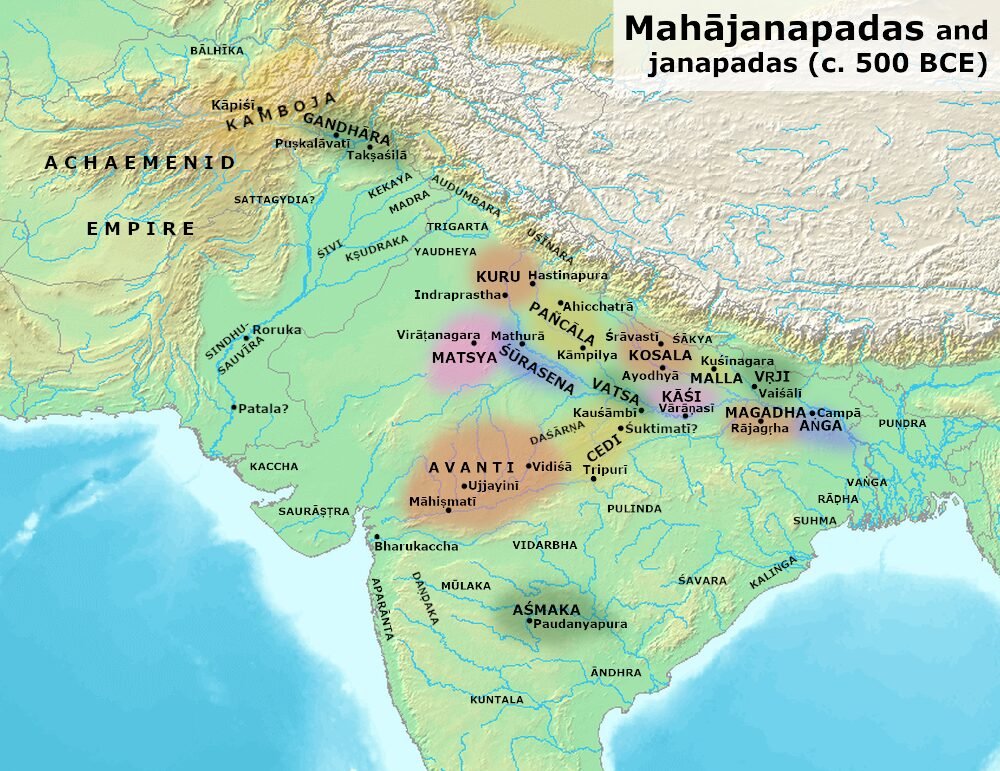
The Kurus were one of the 16 Mahajanapadas (great kingdoms) that existed during the later Vedic and early historical periods of India. After the decline
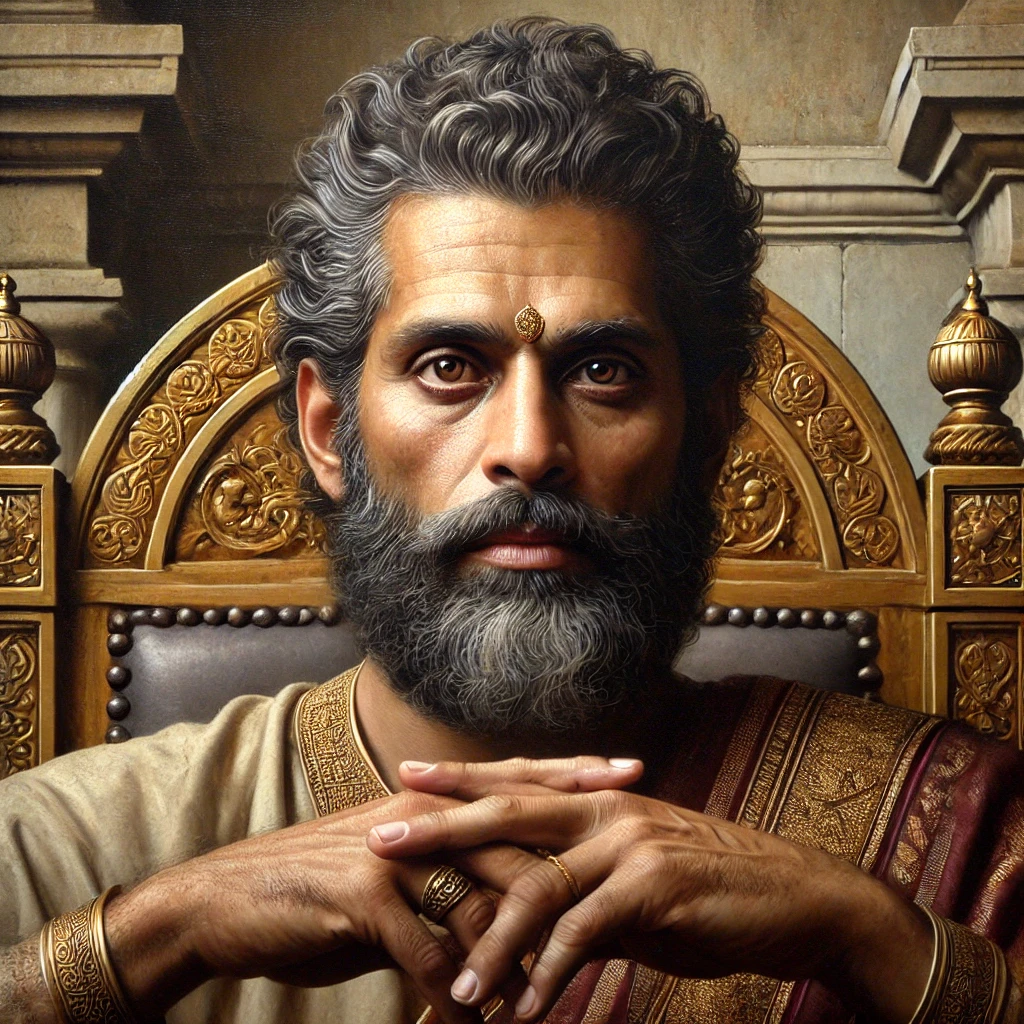
The Bharata dynasty is one of the most significant royal lineages in Indian history, forming the foundation of the Kuru dynasty and playing a pivotal
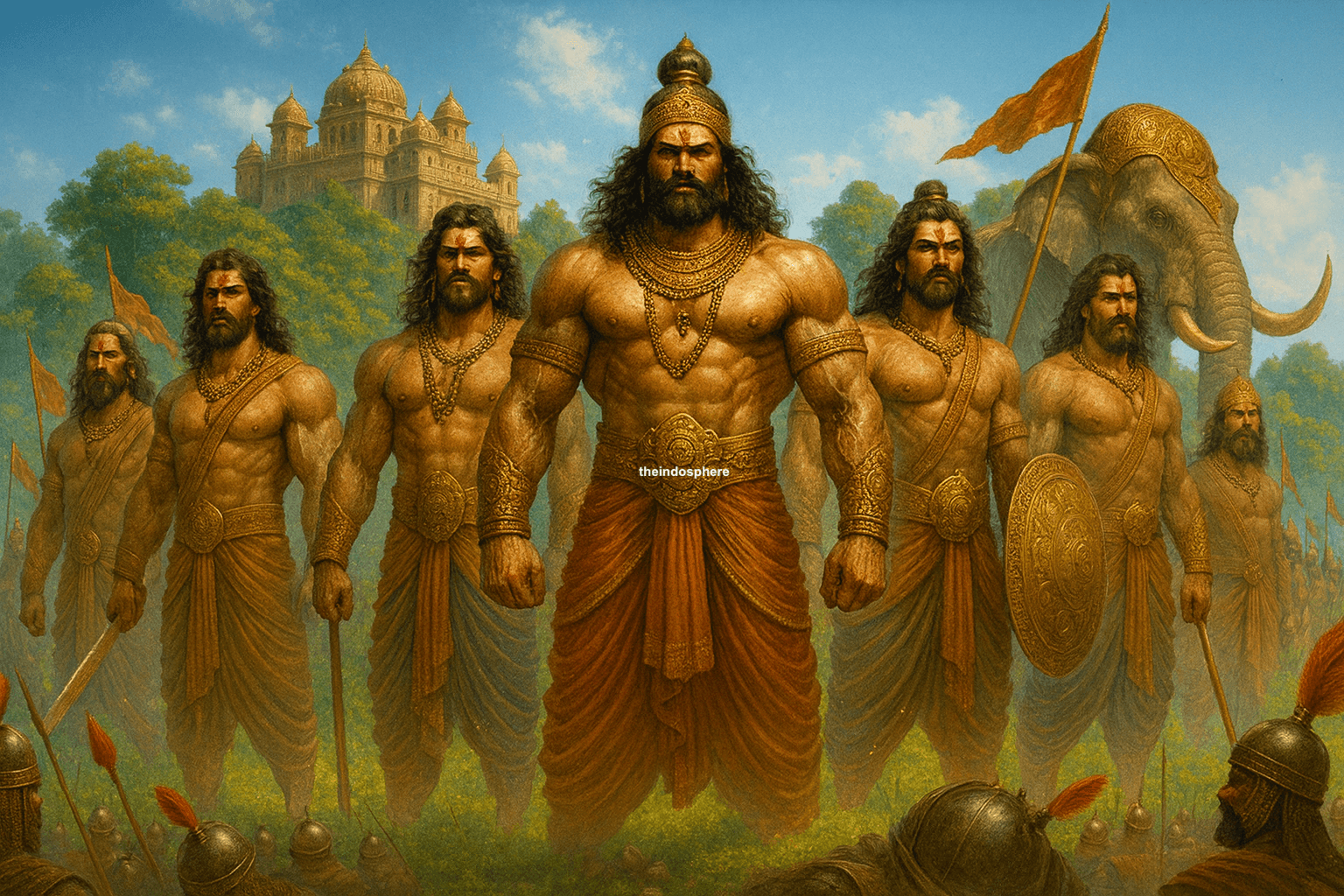
Origins of the Kuru Dynasty: From the Lunar Lineage to King Kuru The Kurus were one of the 16 Mahajanapadas (great kingdoms) that existed during
Aryabhata (476 CE – 550 CE) was one of the most brilliant mathematicians and astronomers of ancient India. His contributions laid the foundation for many

Lalitaditya Muktapida (r. 724–760 CE) was the most distinguished ruler of the Karkota Dynasty, whose reign marked the zenith of Kashmir’s political, economic, and cultural
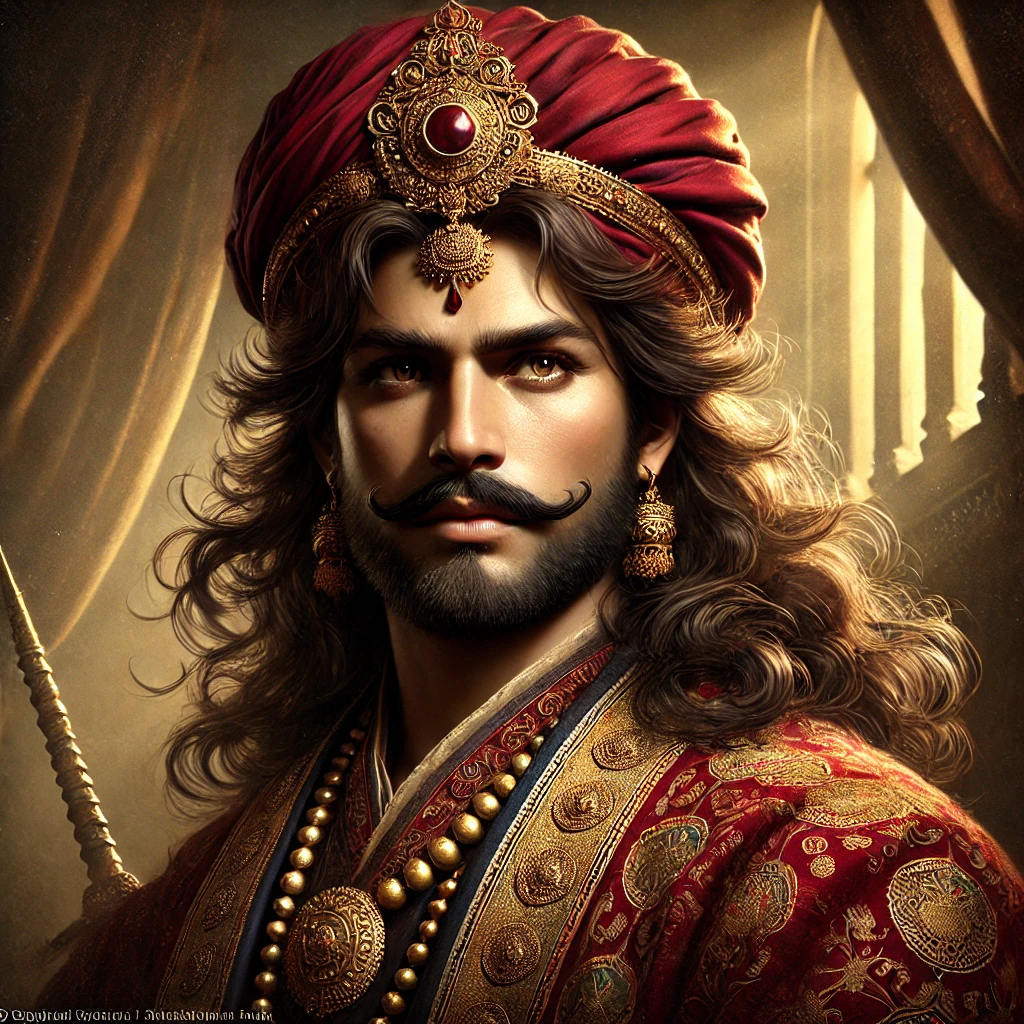
The Khalji Dynasty The Khalji dynasty was a prominent ruling power in medieval India, known for its Turko-Afghan origins. The dynasty’s ancestors, the Khalaj, have
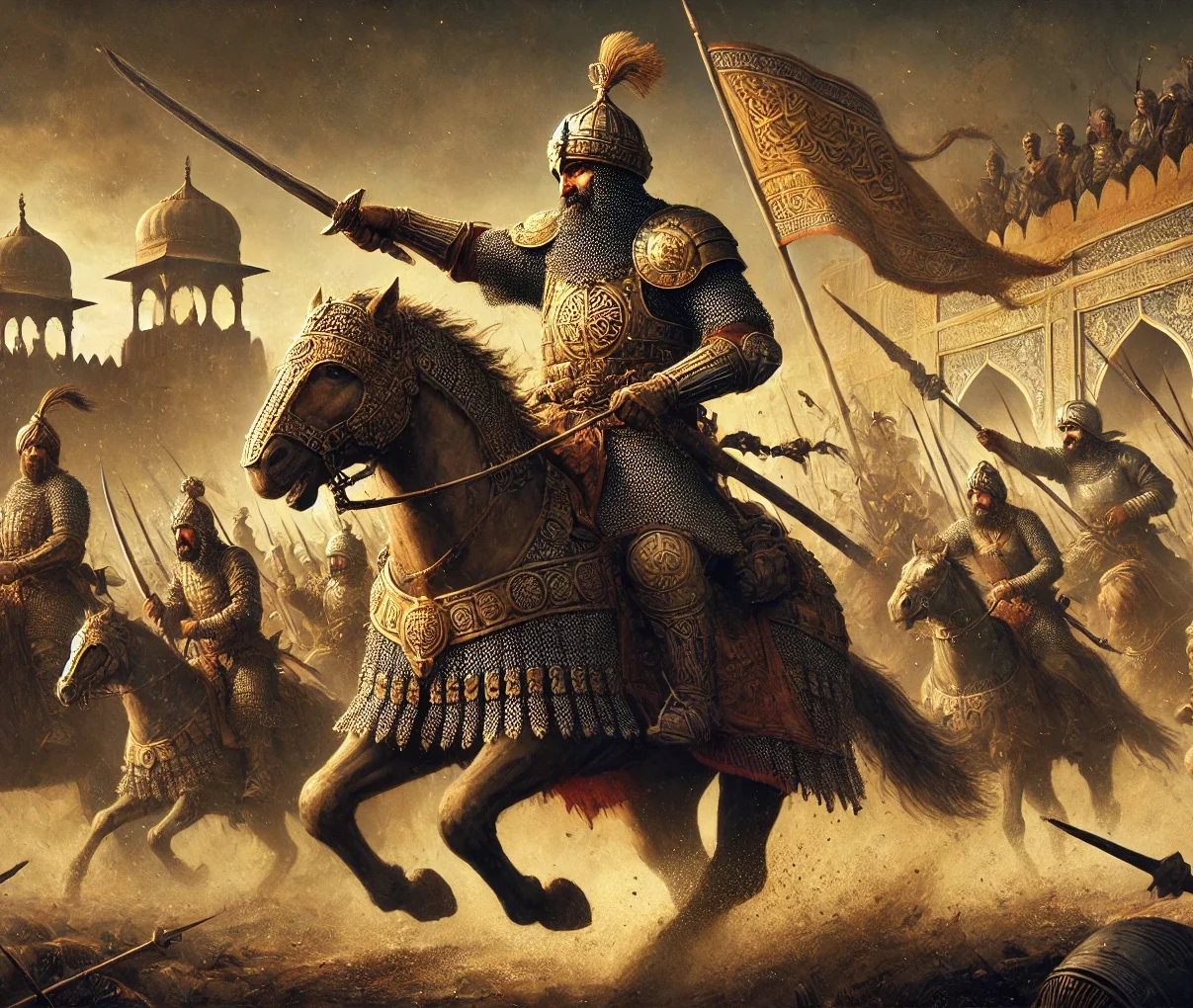
Wootz steel represents a seminal achievement in early metallurgical science, distinguished by its unique microstructure and superior mechanical properties. Developed in the Indian subcontinent as
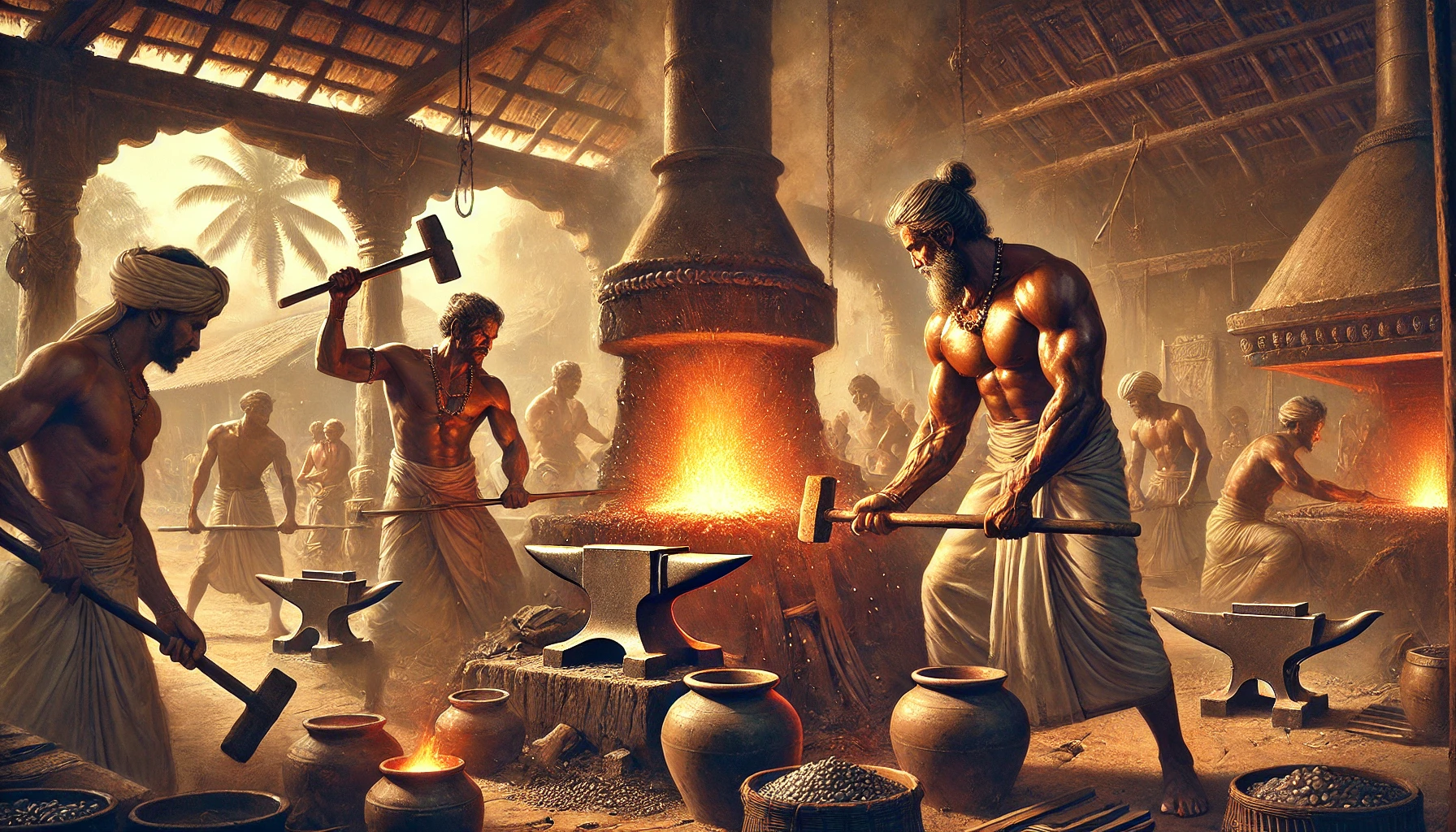
Ajatshatru was one of the most formidable rulers of ancient India, reigning over the Magadha kingdom from approximately 492 BCE to 460 BCE. A member
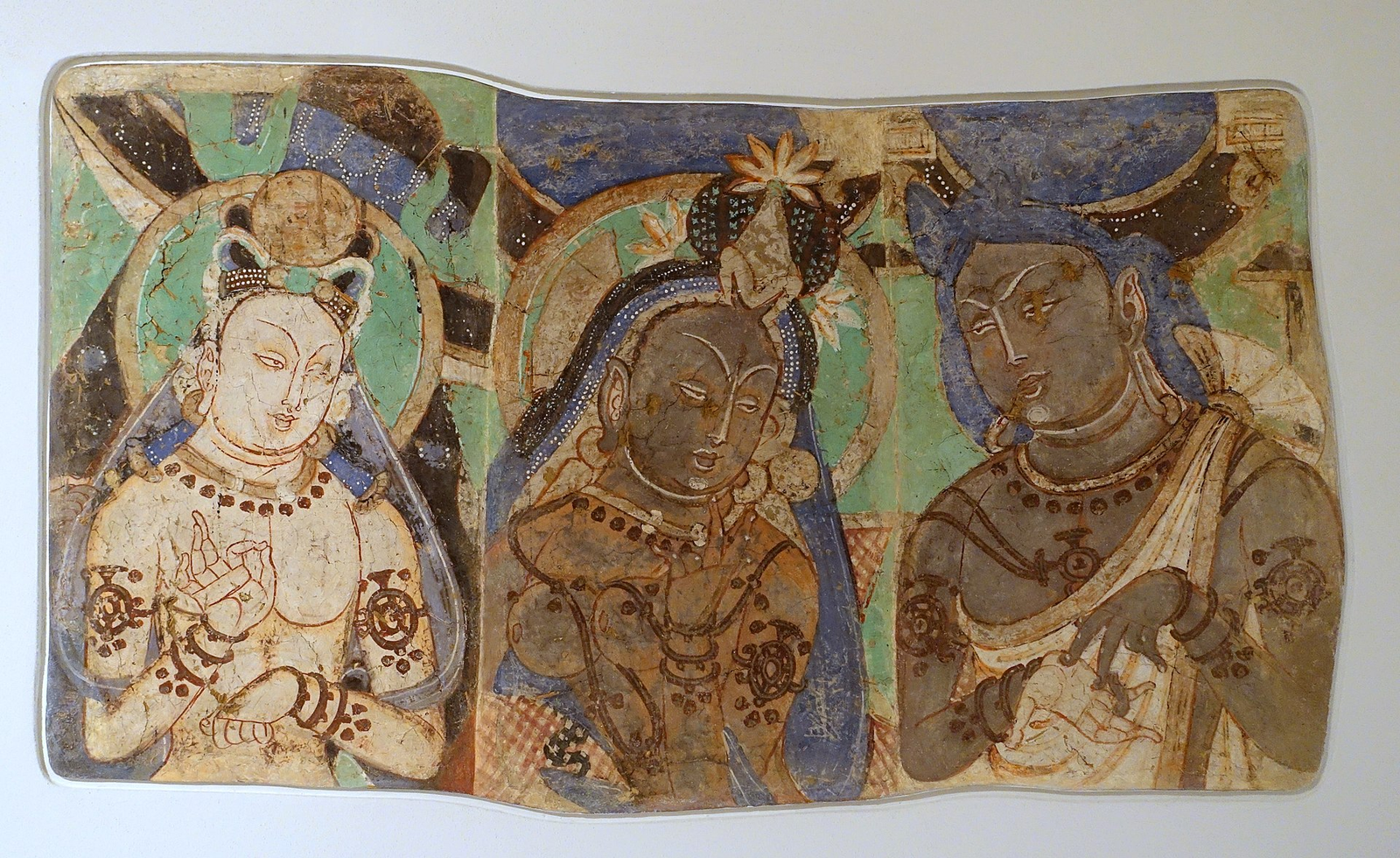
The Buddhist Kuchi Kingdom, also known as the Kucha Kingdom, was a significant center of Buddhism on the northern Silk Road and once stood as
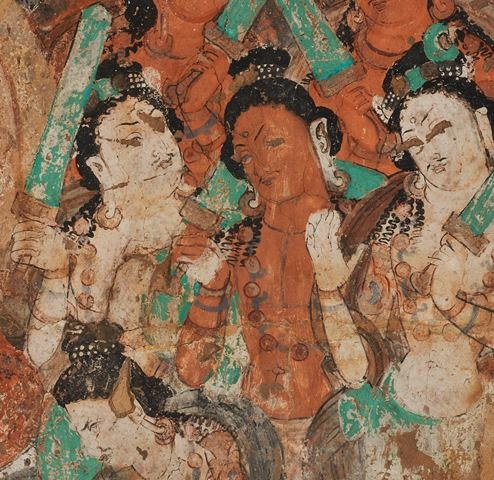
The Ahom Dynasty is one of the most influential and enduring regimes in the history of northeastern India. Spanning nearly 600 years, its legacy encompasses
The Ahom Dynasty of Assam is renowned for its military resilience, particularly in its successful defense against the mighty Mughal Empire. While the Mughals extended
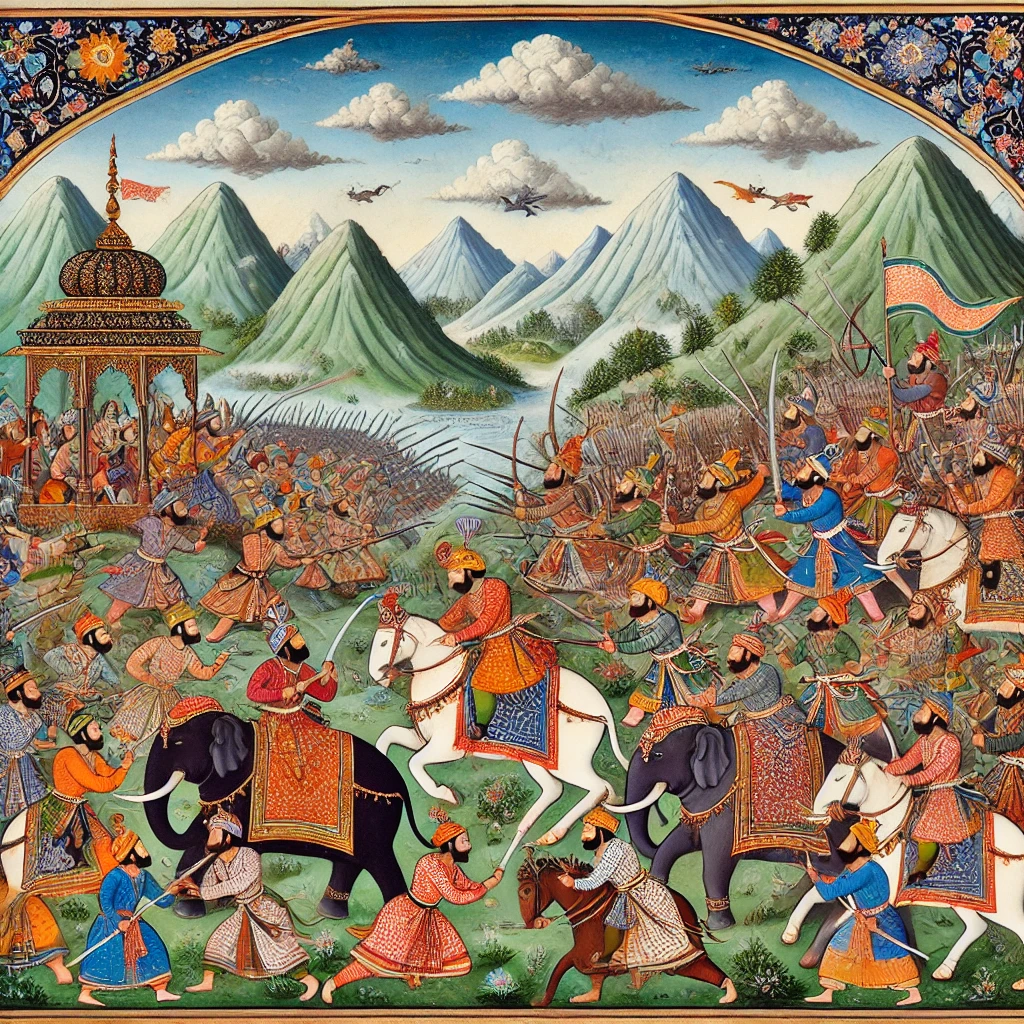
The Battle of Aror (711 CE) was not just a military confrontation but a civilizational rupture—a clash between two vastly different worldviews: the Dharmic civilization
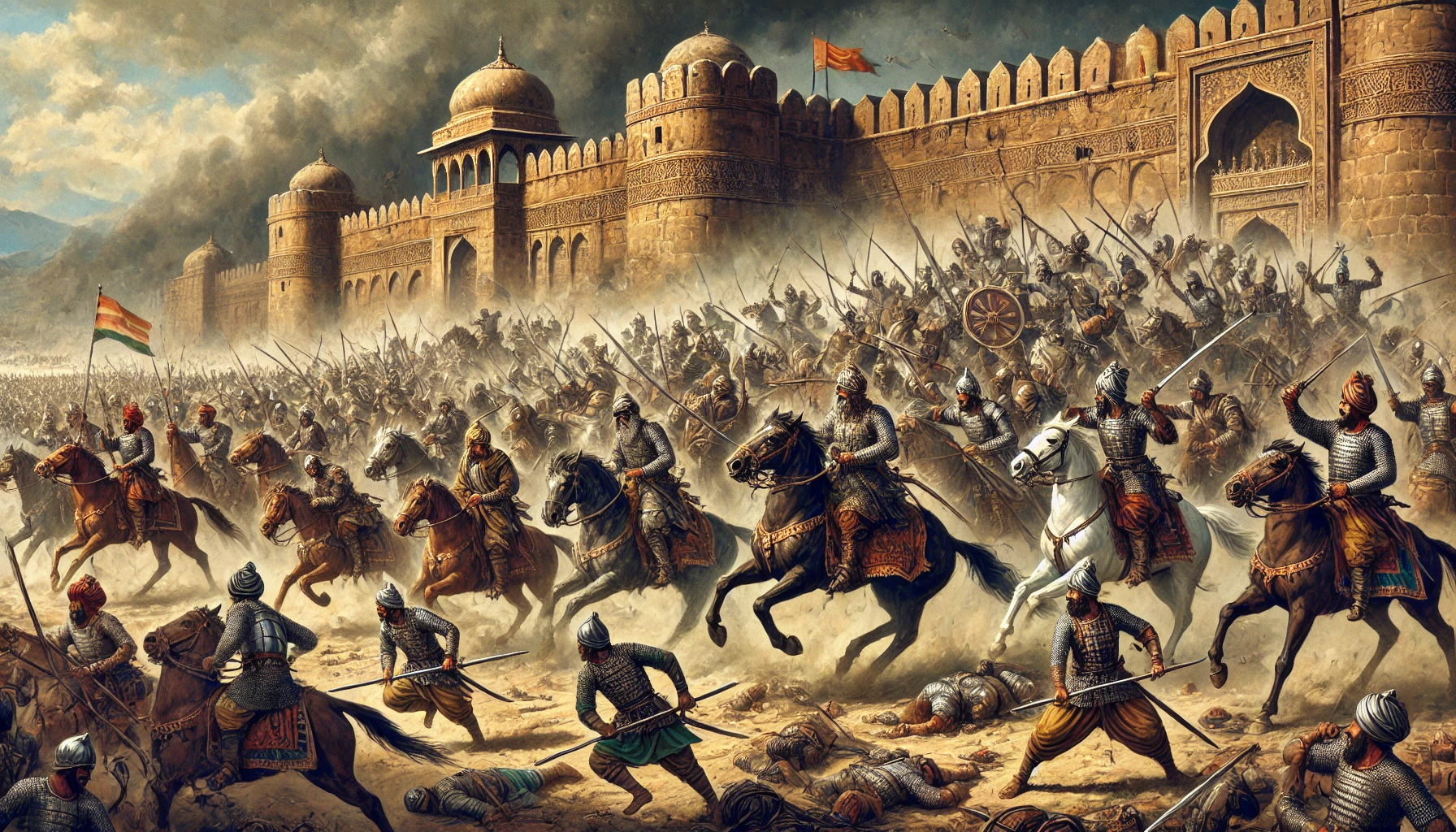
The history of India is woven with diverse cultures, religions, and rulers. Among the most traumatic and transformative periods in Indian history was the establishment
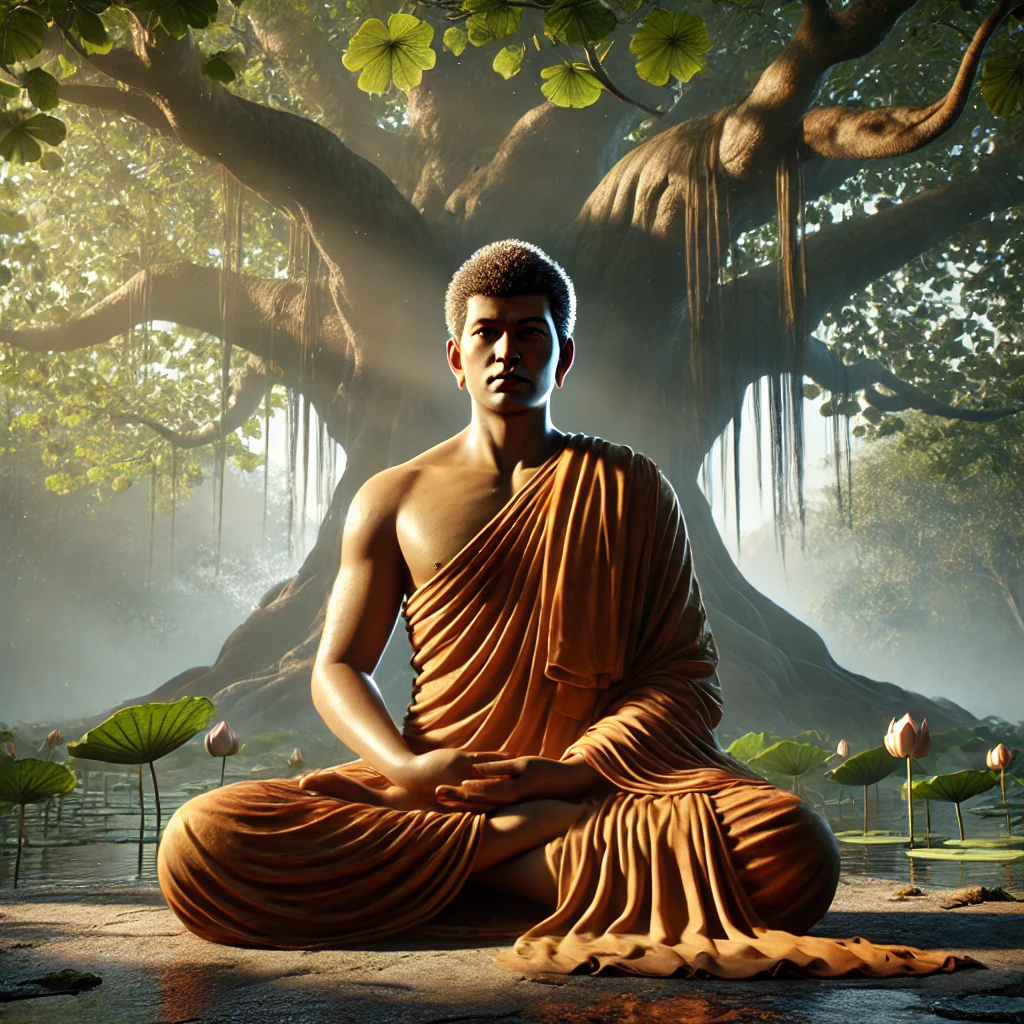
Buddha : The Life and Legacy of Siddhartha Gautama Siddhartha Gautama, known as the Buddha, is one of the most revered spiritual leaders in history.