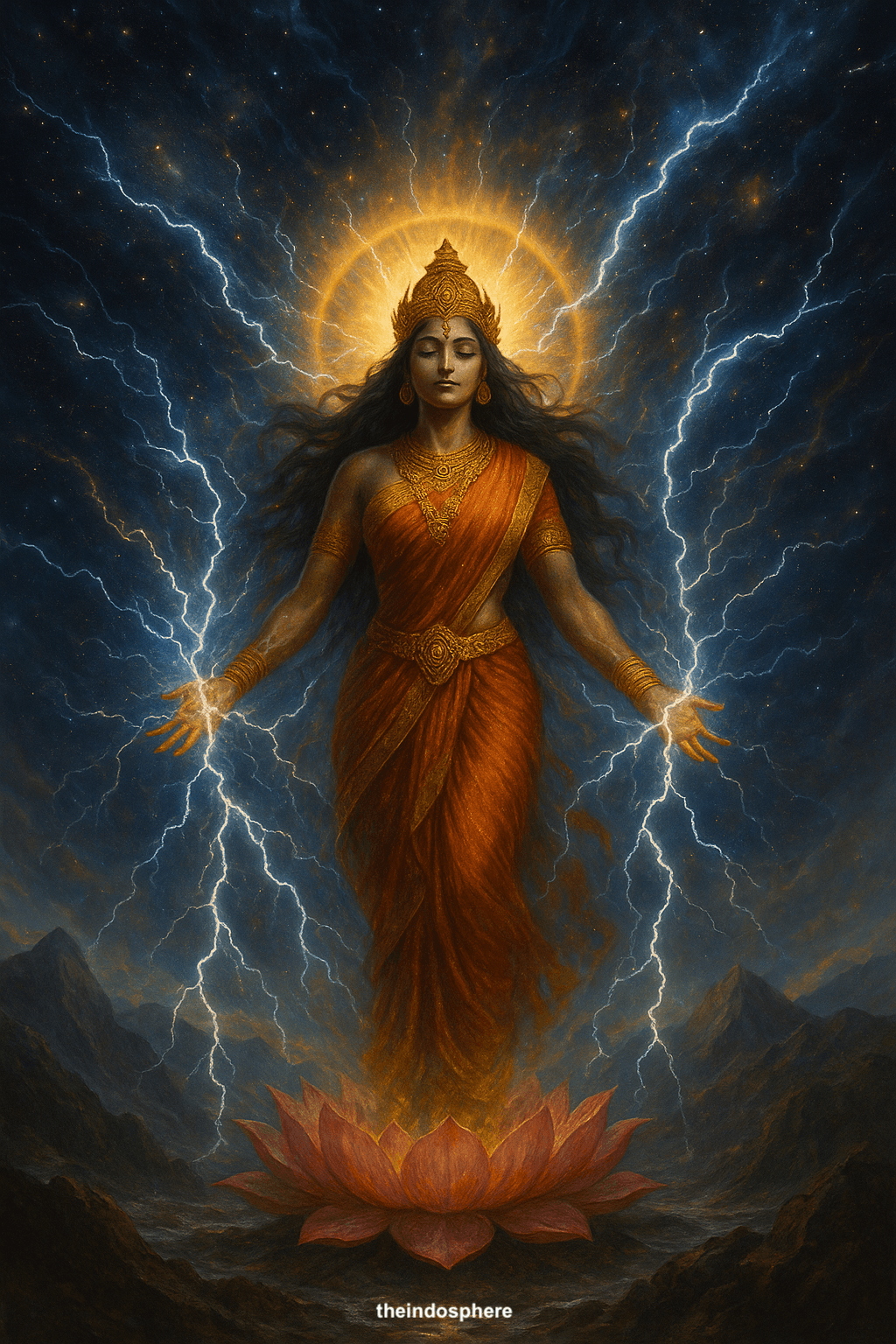
Adi Shakti — The Primordial Goddess
Among the many currents of Hindu thought, one idea stands apart for its audacity and power: the belief that the ultimate reality itself is feminine.
Dharma, devotion, and the divine — exploring the spiritual cosmos of the Indosphere.
Among the many currents of Hindu thought, one idea stands apart for its audacity and power: the belief that the ultimate reality itself is feminine.
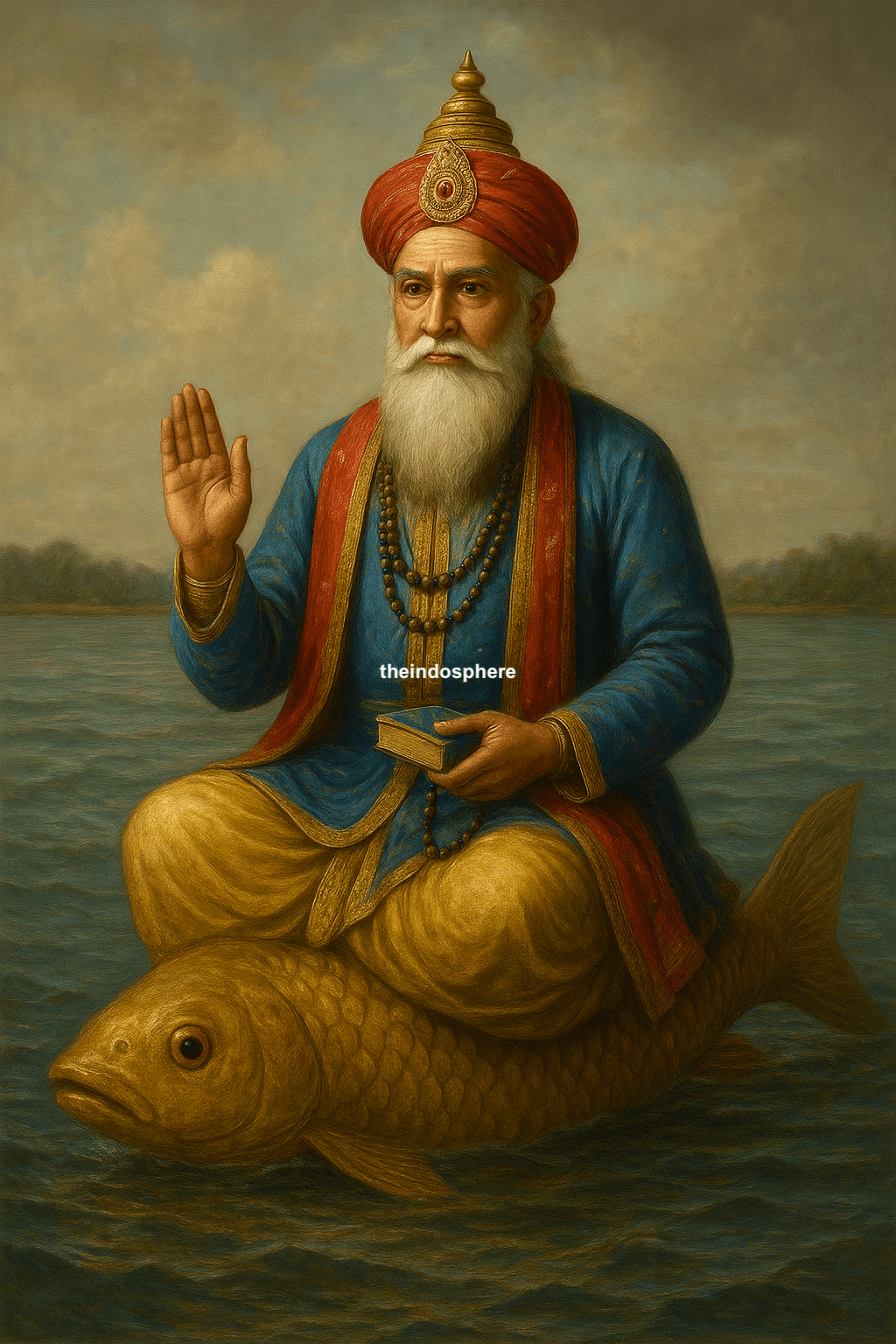
Among the Sindhi community, scattered across India, Pakistan, and the global diaspora, the figure of Jhulelal occupies a central place. He is more than just a deity—Jhulelal
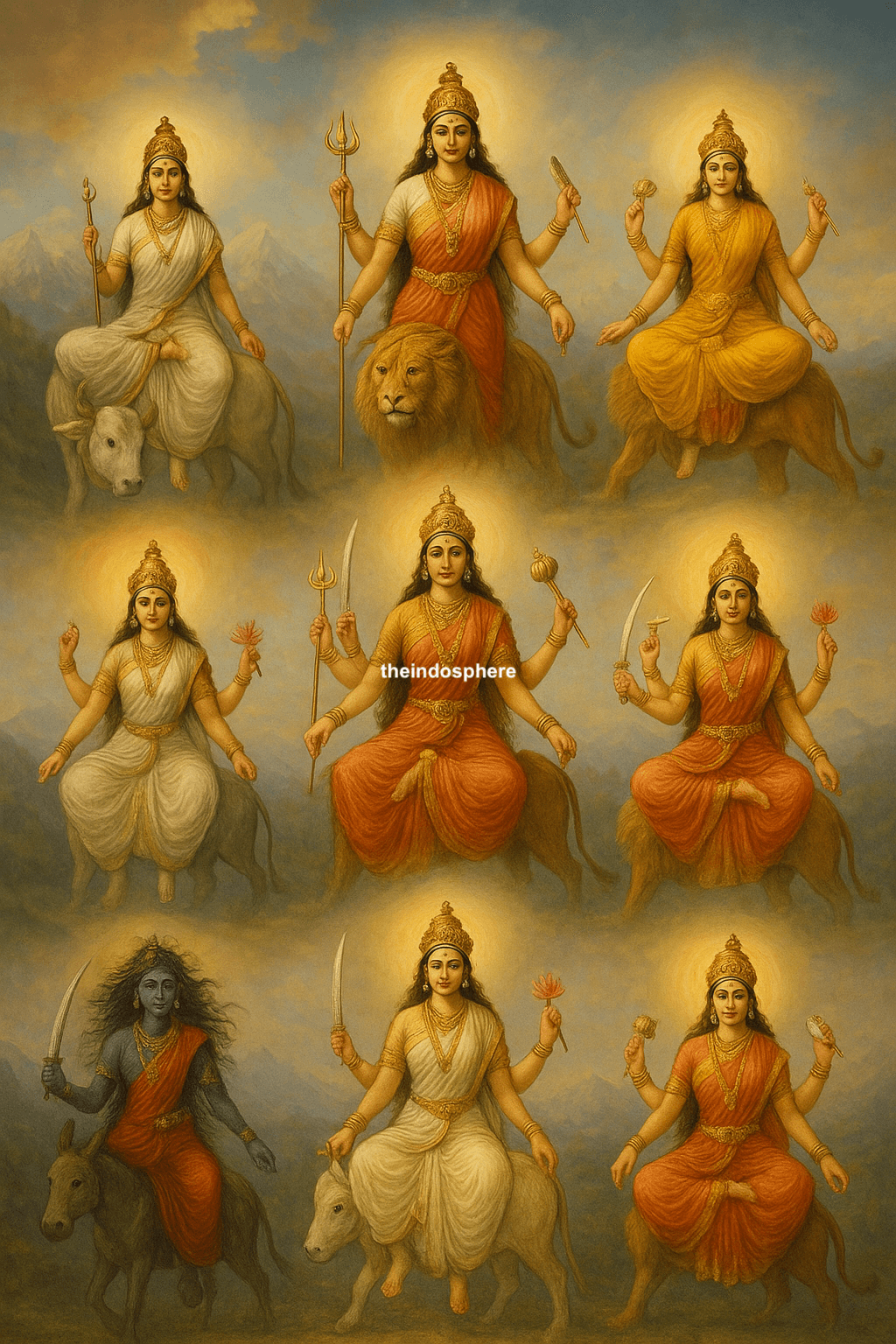
Navaratri, the festival of nine nights, celebrates the eternal feminine power of Shakti in her nine forms, known as the Navadurga. Each day honors a
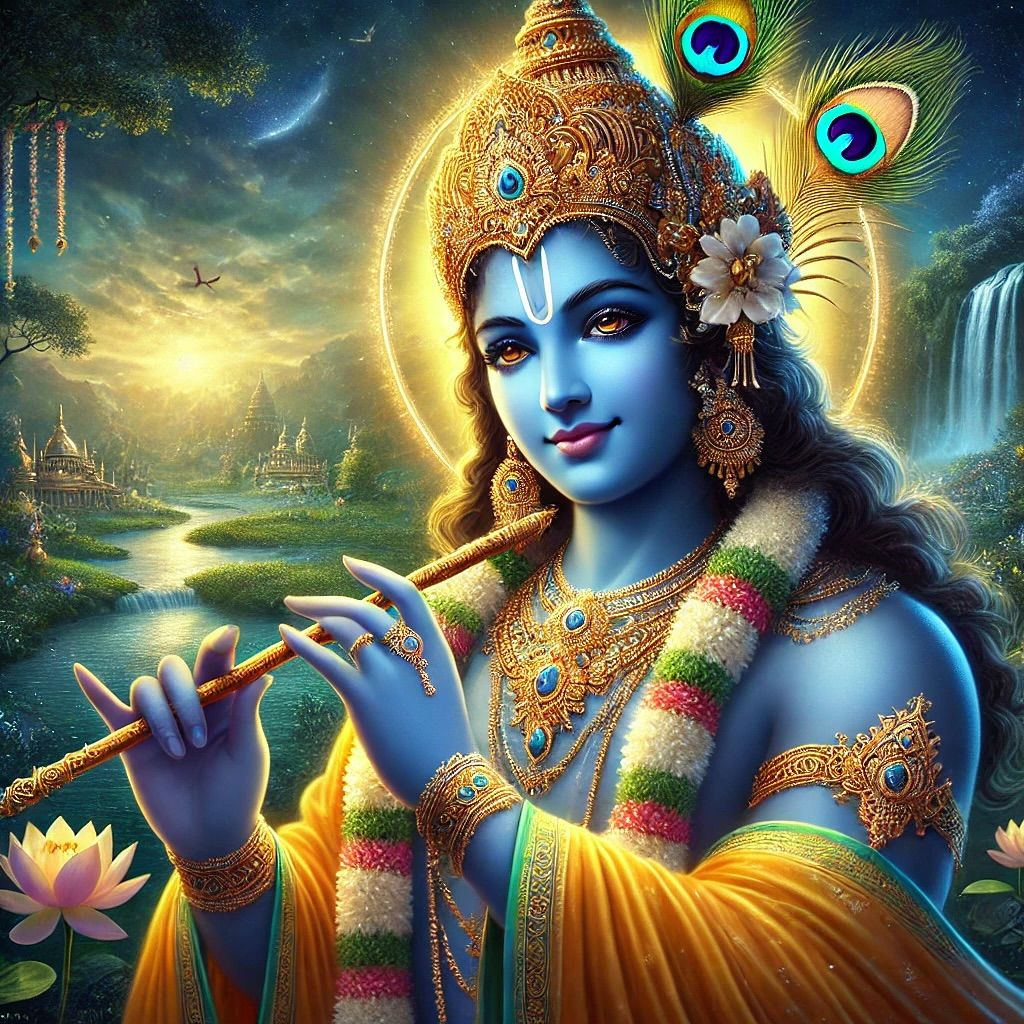
Among the most revered figures in Indian civilization, Bhagwan Krishna occupies a central place in religion, philosophy, literature, art, and cultural identity. He is worshiped
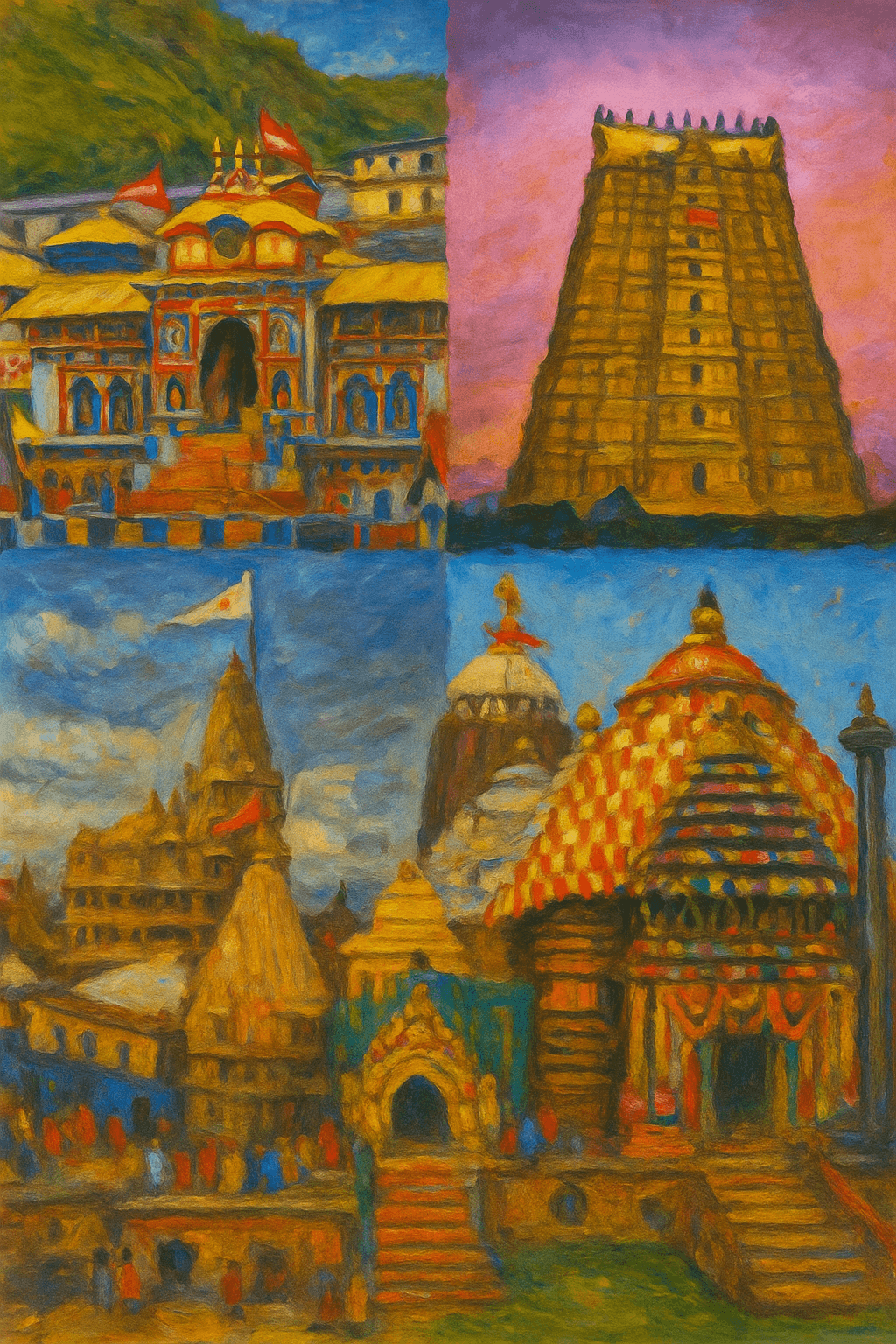
The Char Dham — Badrinath (North), Dwarka (West), Puri (East), and Rameswaram (South) — is more than a route for devout Hindus. It’s a centuries-old
Dashavataras: Vishnu Incarnates to Restore Cosmic Order In Hindu tradition, Vishnu doesn’t just watch over the universe—he steps into it. Whenever dharma (cosmic law) is

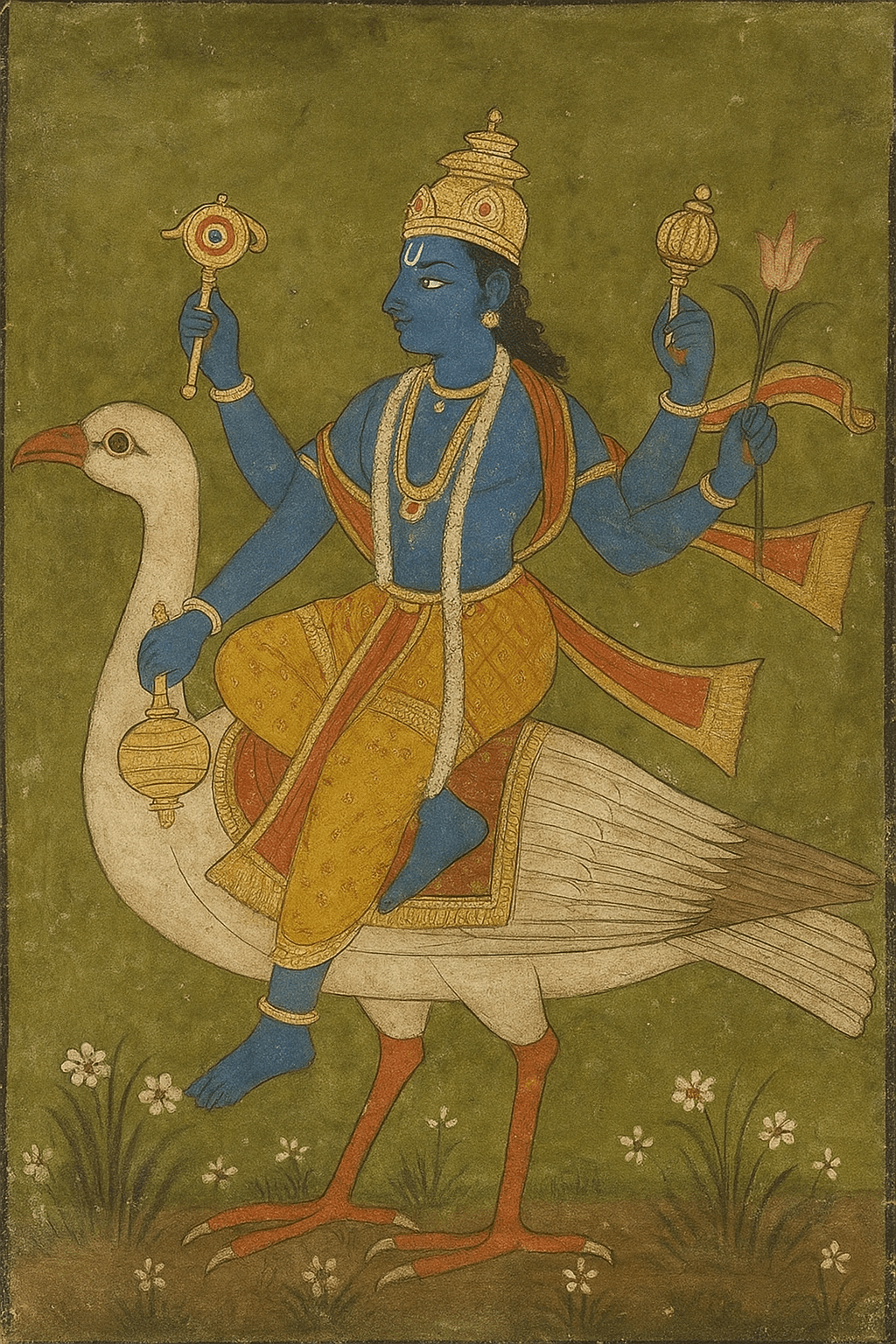
Pantheon: TrimurtiOther Names: Narayana, Hari, Govinda Who is Vishnu? If Brahma builds the universe, Vishnu keeps it alive. As the Preserver in the Hindu Trimurti,
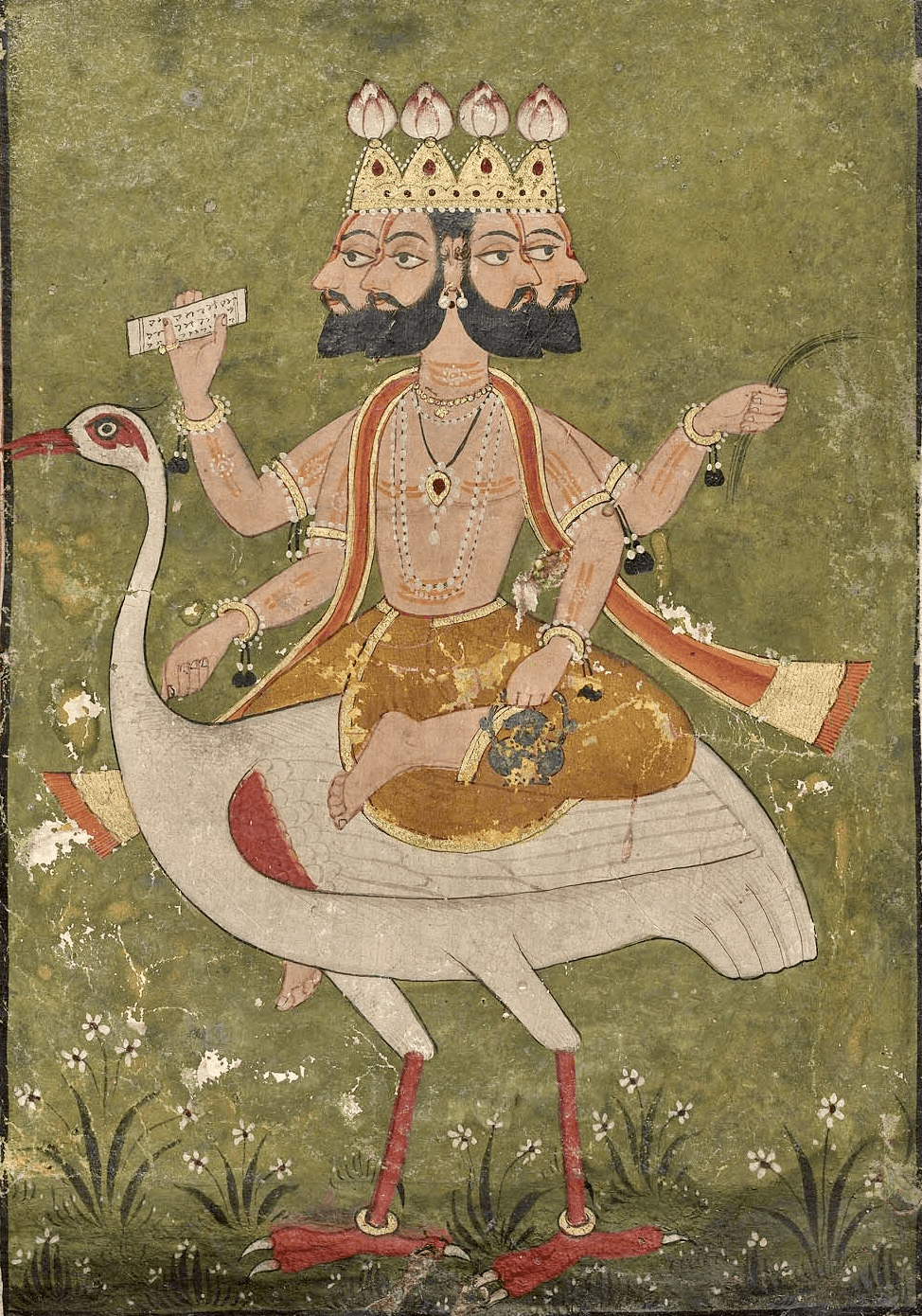
Pantheon: TrimurtiOther Names: Prajapati, Svayambhu In Hindu cosmology, the universe is maintained by a divine trinity known as the Trimurti: Brahma the creator, Vishnu the
In the mythological traditions of South Asia, few figures embody divine allure and artistic perfection like the Apsaras. Often described as celestial dancers and courtesans
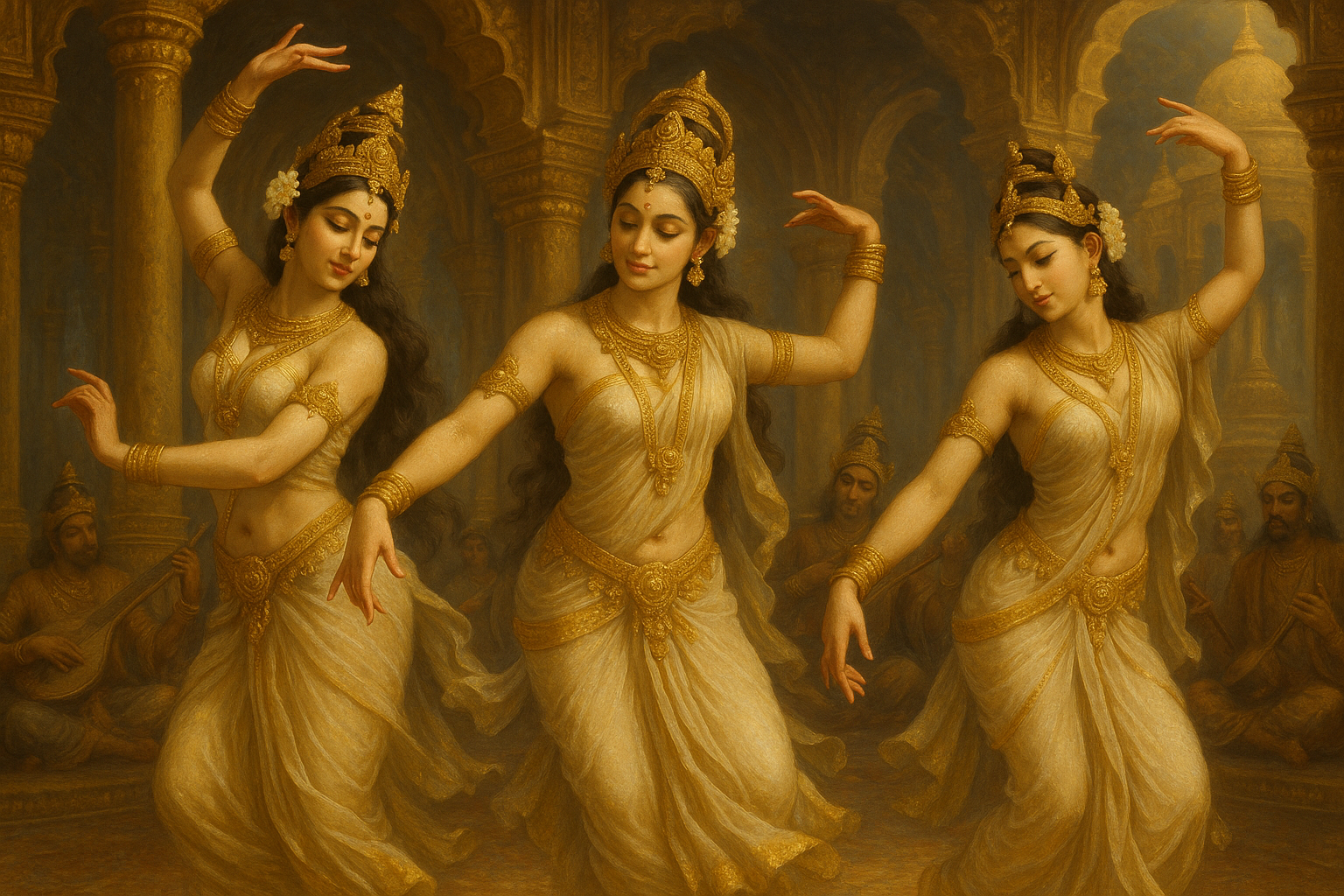
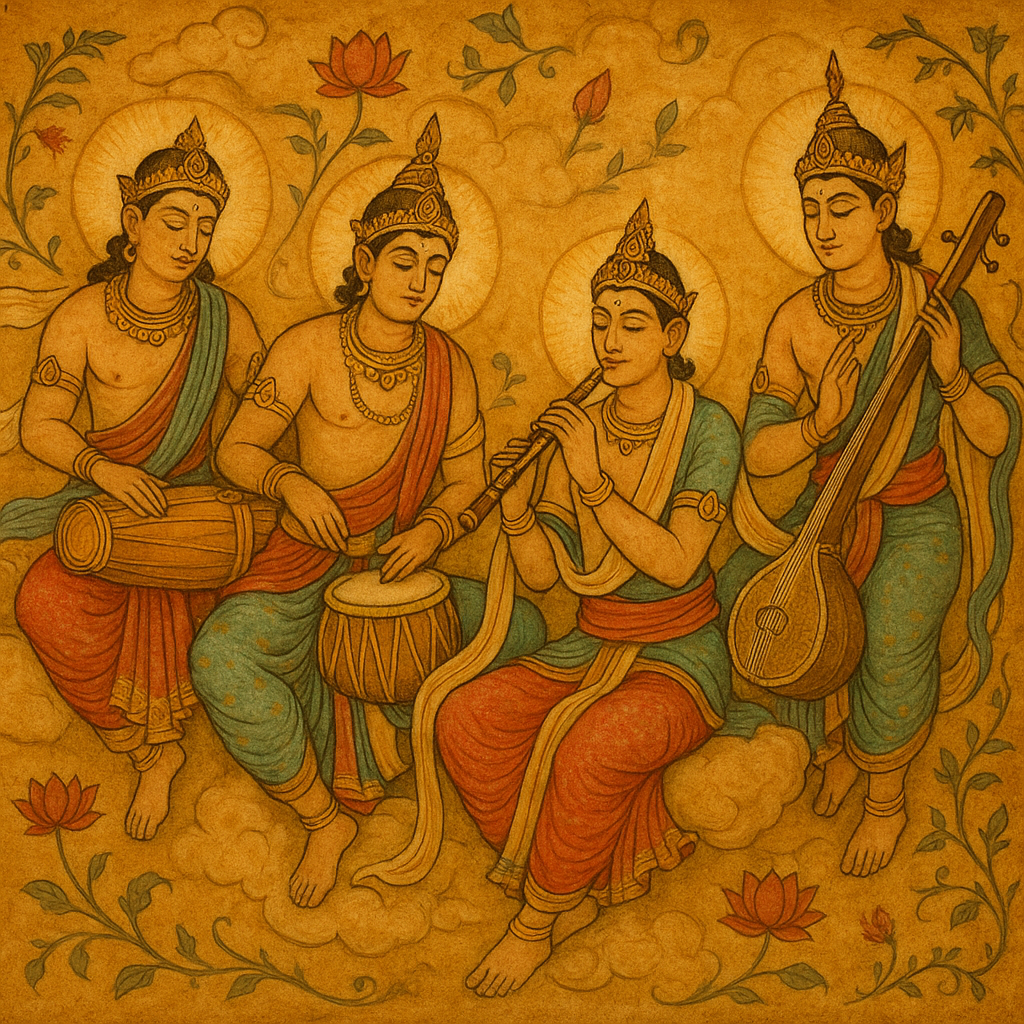
In the rich culture of Indian religious thought, Gandharvas stand out as celestial beings devoted not to war or wisdom, but to art, music, and
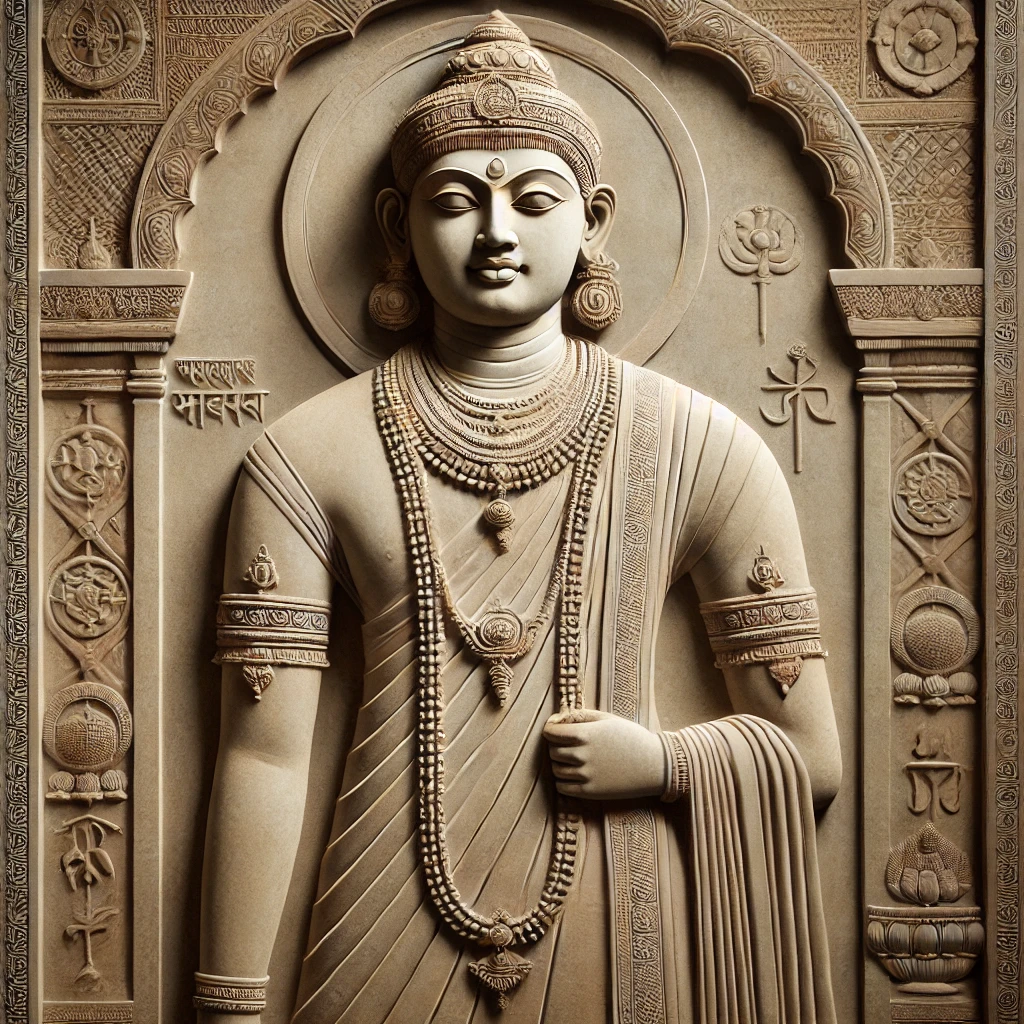
Buddhism, a complex and multifaceted religious and philosophical tradition, has significantly shaped the cultural and intellectual landscapes of multiple civilizations over the past 2,500 years.
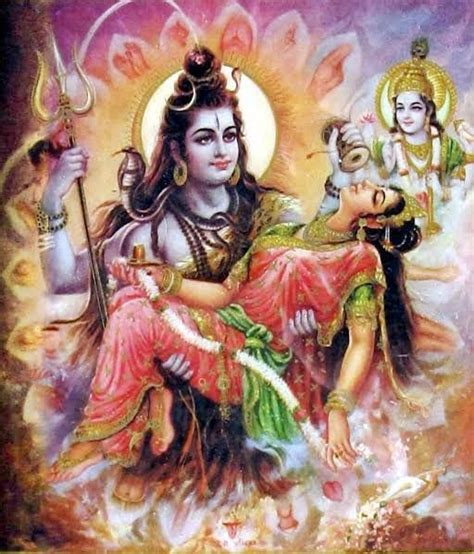
Introduction Sati Mata, also known as Goddess Sati, is a central figure in Hindu mythology, symbolizing devotion, sacrifice, and divine feminine energy. Her story is
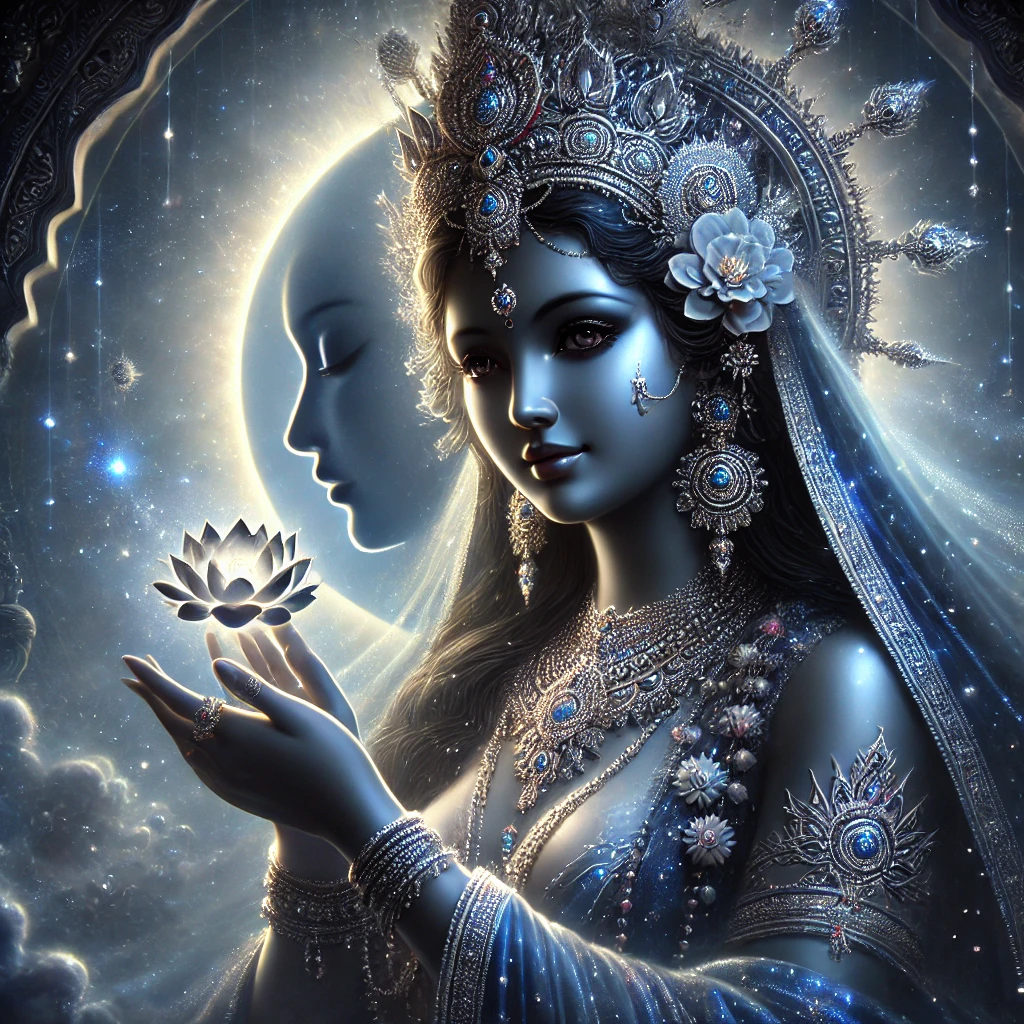
Hindu mythology is filled with fascinating deities, each symbolizing different cosmic forces and aspects of life. Among them is Goddess Chhaya, the shadowy yet powerful
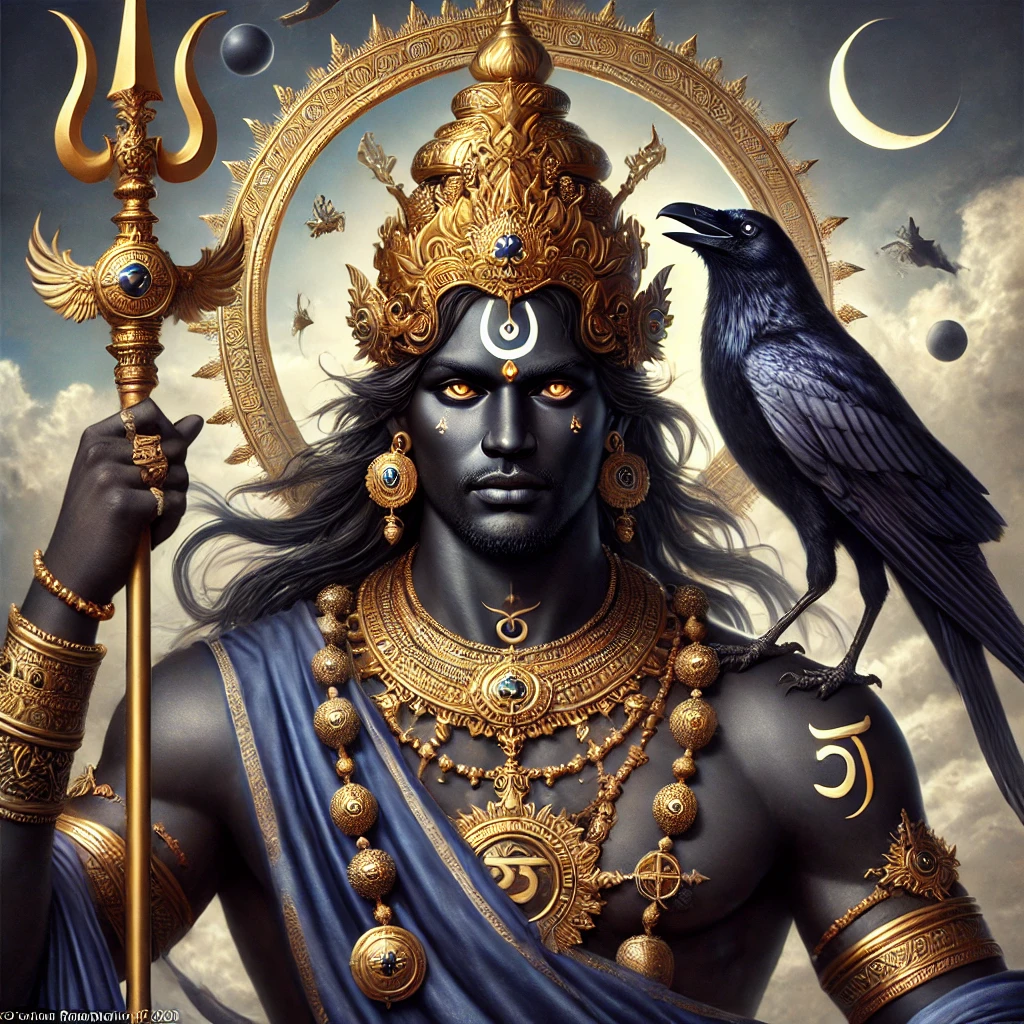
Shani Dev, also known as Shani Maharaj, is a powerful deity in Hindu mythology, revered as the god of justice and karma. He is associated
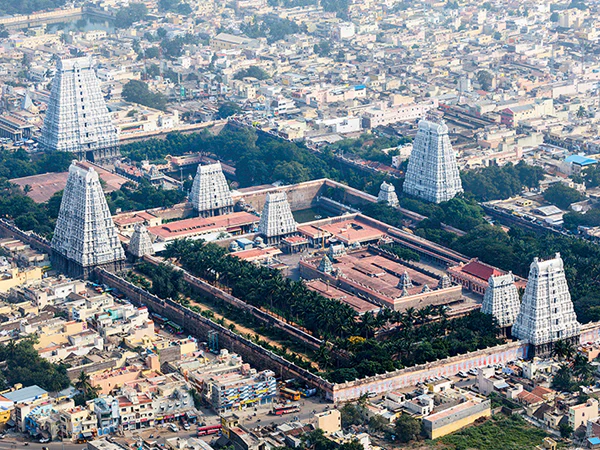
The Meenakshi Amman Temple in Madurai, Tamil Nadu, is one of India’s most significant and revered temples. Dedicated to Goddess Meenakshi (a form of Parvati)
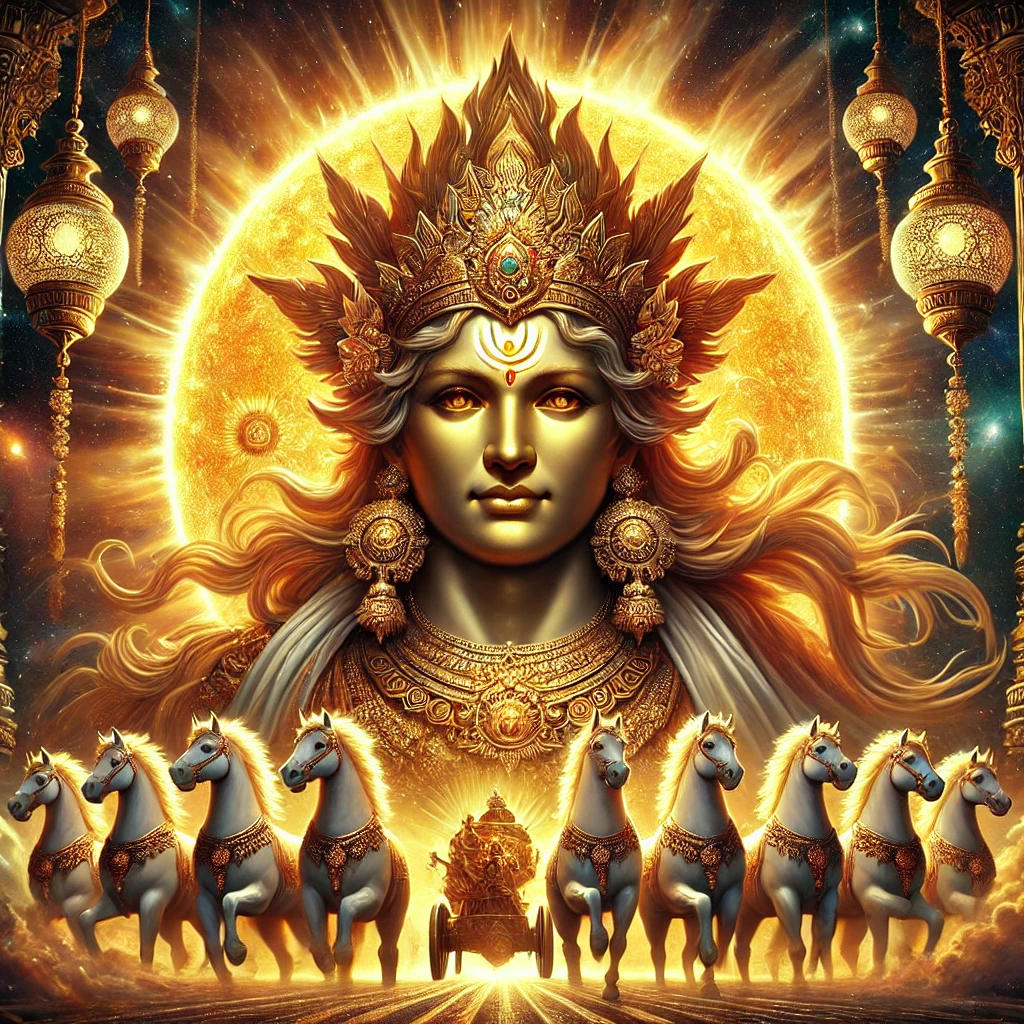
Surya The Sun God Surya, revered as the Sun God in Hinduism, embodies the source of life, light, and cosmic energy. Often depicted as a
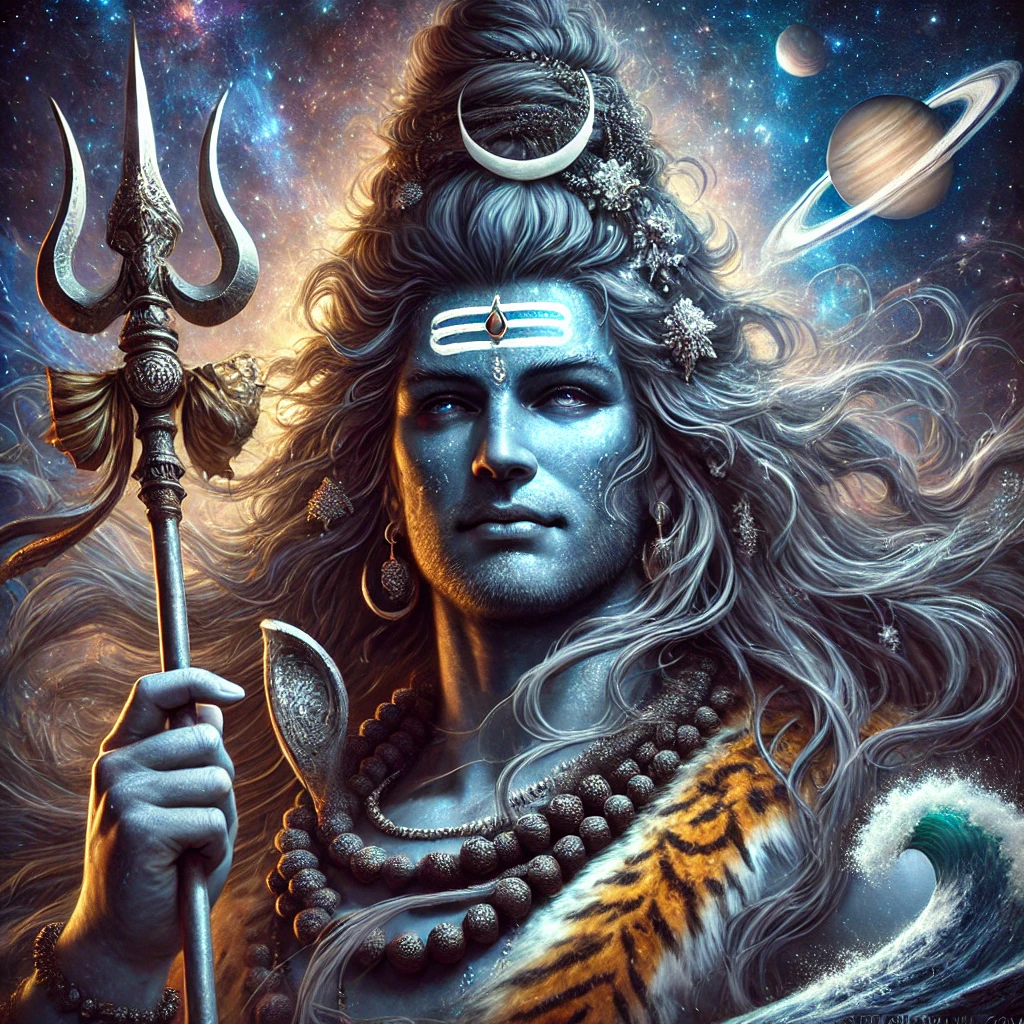
In the Hindu Trimurti, Shiva plays the role of the destroyer—but that label barely scratches the surface. Shiva is not just a cosmic ender. He
The Indus Valley Civilization, one of the world’s earliest urban cultures, is considered by many scholars as a precursor to Hinduism. Archaeological discoveries, such as
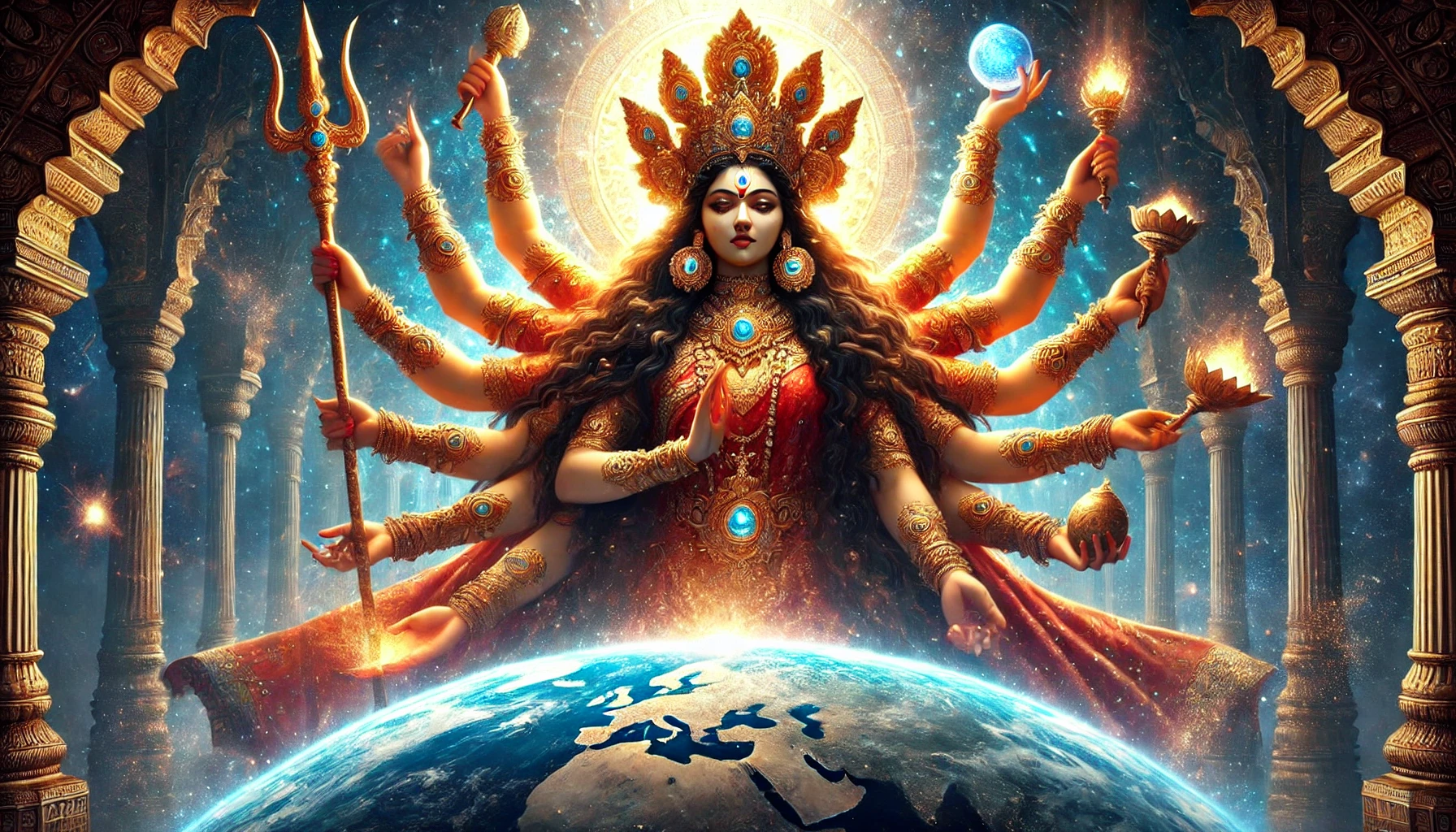
Chatra Navaratri and Sharad Navaratri: Differences Explained Navaratri, the vibrant festival dedicated to the worship of Goddess Durga, is celebrated twice a year in India.
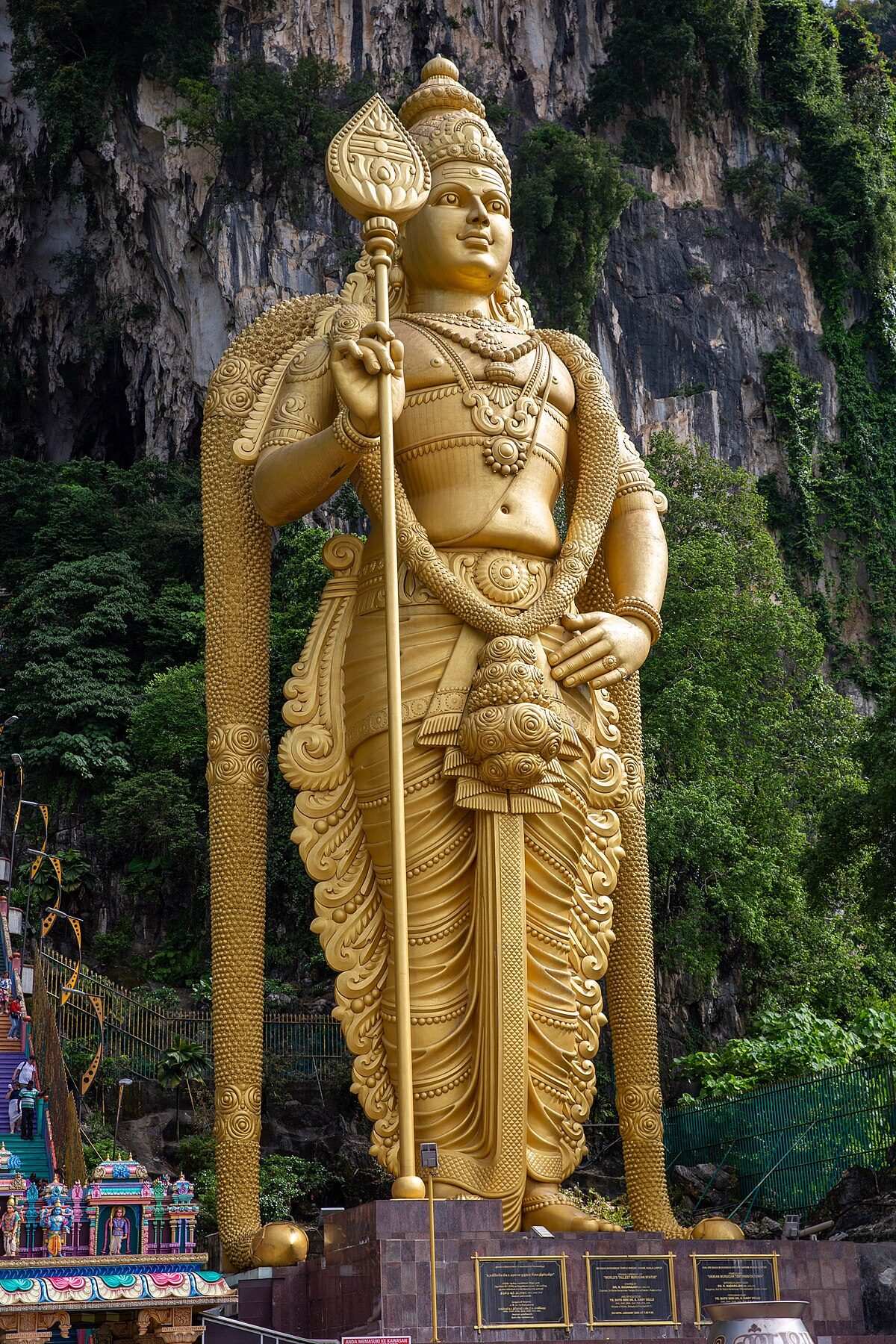
Kartikeya, known by various names like Murugan, Skanda, Subrahmanya, and Shanmukha, is a prominent deity in Hindu mythology. Often depicted as a youthful warrior, he