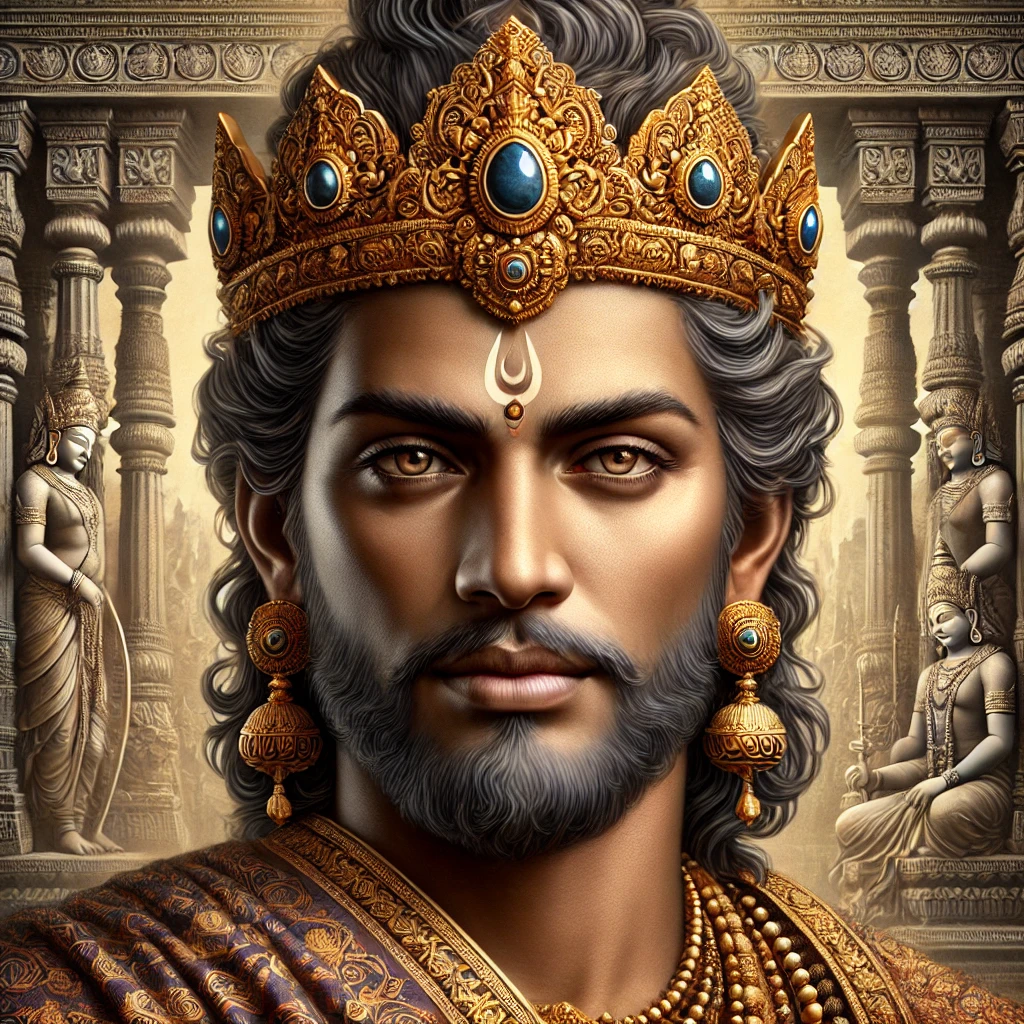
King Jayapala (964–1001 CE) of Hindu Shahi Dynasty
Jayapala: The Warrior King Who Resisted the Ghaznavids The Hindu Shahi dynasty, ruling parts of present-day Afghanistan and northwestern India, played a crucial role in
Empires, kings, and forgotten capitals — the sweep of Indian civilisation through time.
Jayapala: The Warrior King Who Resisted the Ghaznavids The Hindu Shahi dynasty, ruling parts of present-day Afghanistan and northwestern India, played a crucial role in
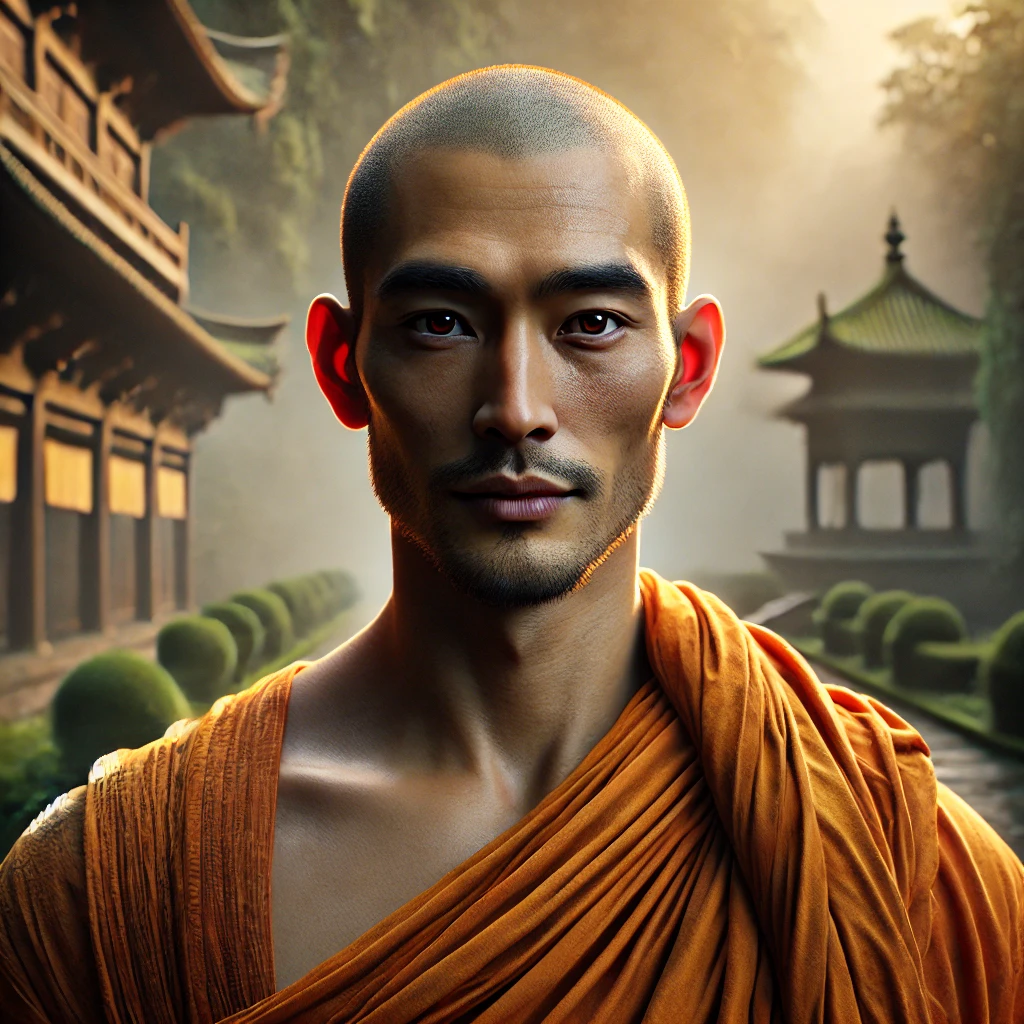
Kumarajiva (Sanskrit: कुमारजीव, 344–413 CE) was a distinguished Buddhist monk, scholar, and translator who played a seminal role in the dissemination of Buddhist thought in
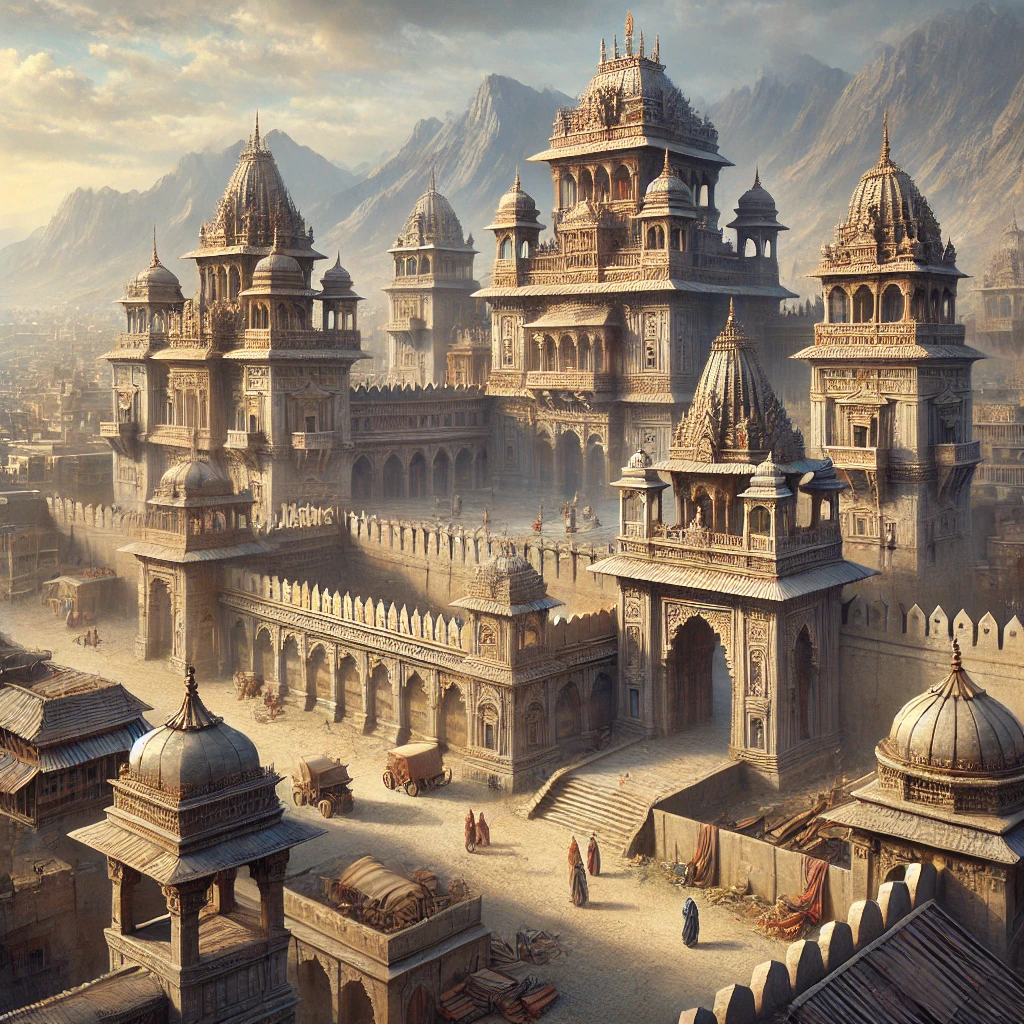
Origins and Background The Delhi Sultanate (1206–1526 CE) was a Muslim kingdom that ruled large parts of the Indian subcontinent. It was established after the

Mughal Emperor Akbar the Great, also known as Jalal-ud-din Muhammad Akbar, was one of the most complex and influential rulers in Indian history. He was

Hindu Shahi Dynasty The Hindu Shahi dynasty is one of the most fascinating yet often overlooked periods in South Asian history. Existing between the 9th
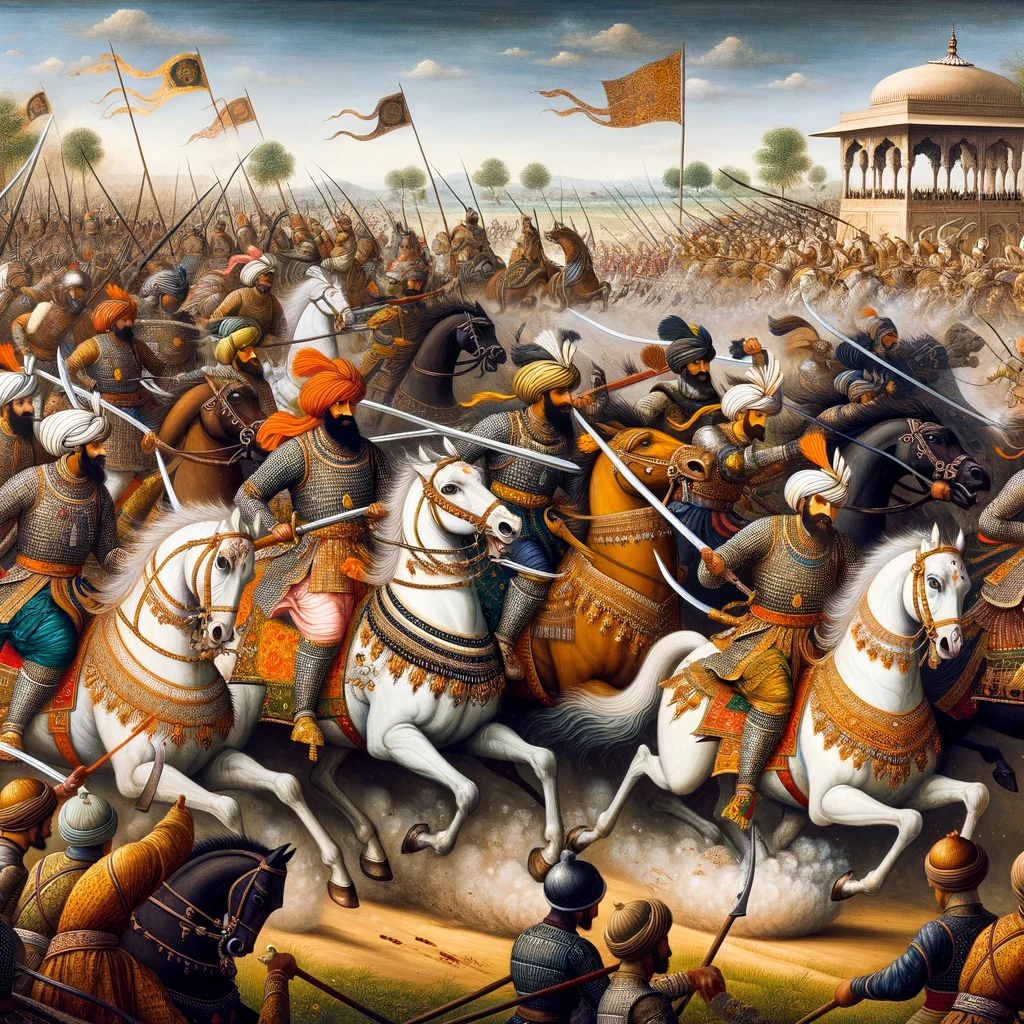
Aurangzeb Versus Marathas The conflict between Mughal Emperor Aurangzeb and the Marathas was one of the longest and most significant struggles in Indian history. Lasting
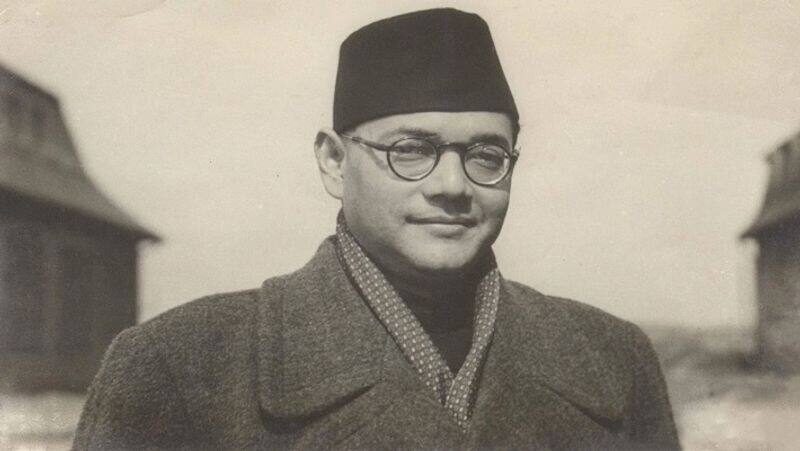
Uncovering the Legacy of The Indian Revolutionary Leader Subhas Chandra Bose remains one of the most influential, yet often overlooked, figures in India’s struggle for
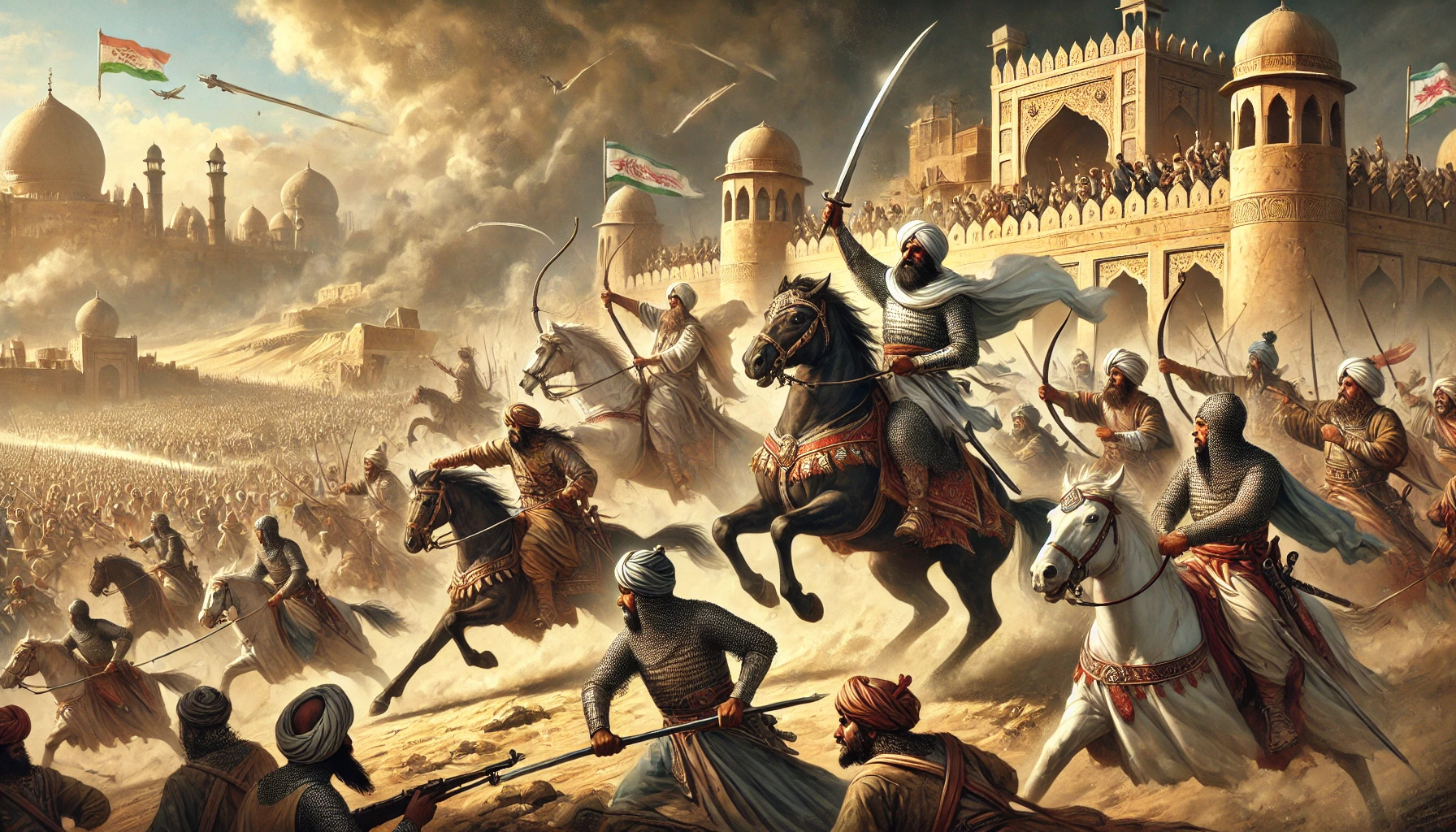
The Arab conquest of Sindh in 711 CE, led by Muhammad bin Qasim, marked a significant turning point in Indian history. It introduced Islamic governance
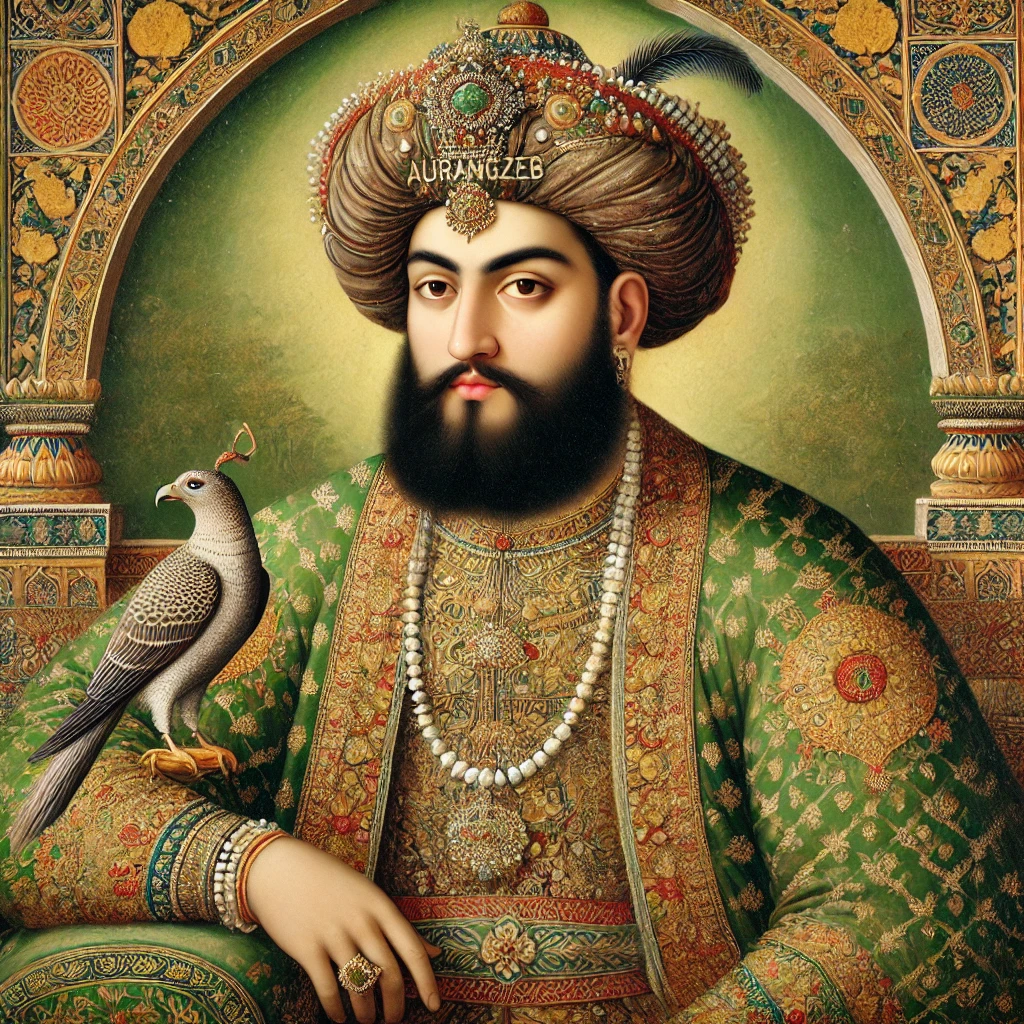
Aurangzeb, one of the most controversial figures in Indian history, was the sixth emperor of the Mughal Empire, ruling from 1658 to 1707. His reign,
Chhatrapati Shivaji Maharaj Chhatrapati Shivaji Maharaj stands as one of the most visionary and influential leaders in Indian history. The founder of the Maratha Empire,

Mughal-Maratha Conflict: How the Marathas Took Over and Established Hindu Swarajya The Mughal-Maratha conflicts shaped the course of Indian history, marking the decline of the
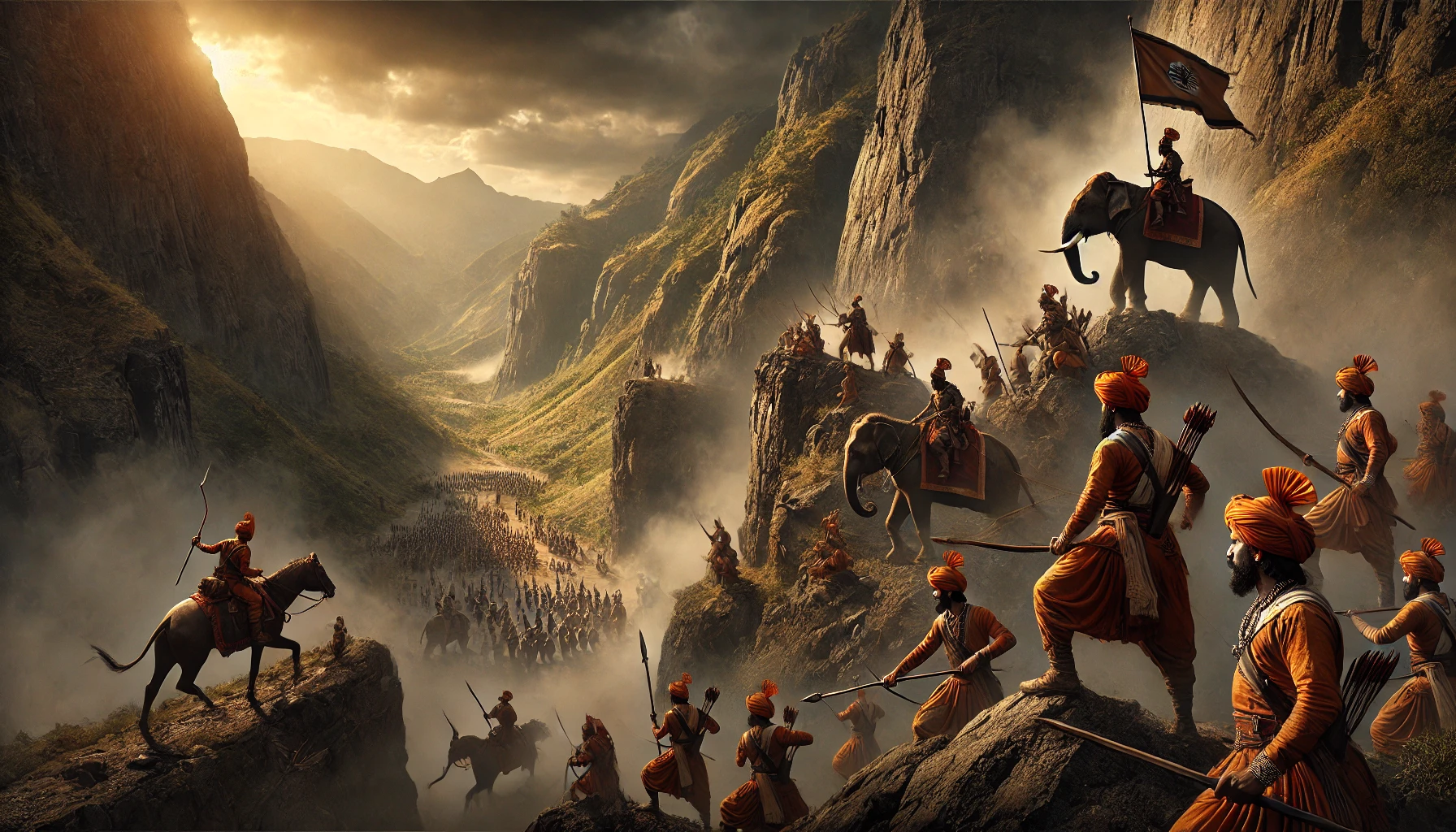
Sambhaji Maharaj, the second Chhatrapati of the Maratha Empire, played a crucial role in shaping Indian history. As the son of Chhatrapati Shivaji Maharaj, the
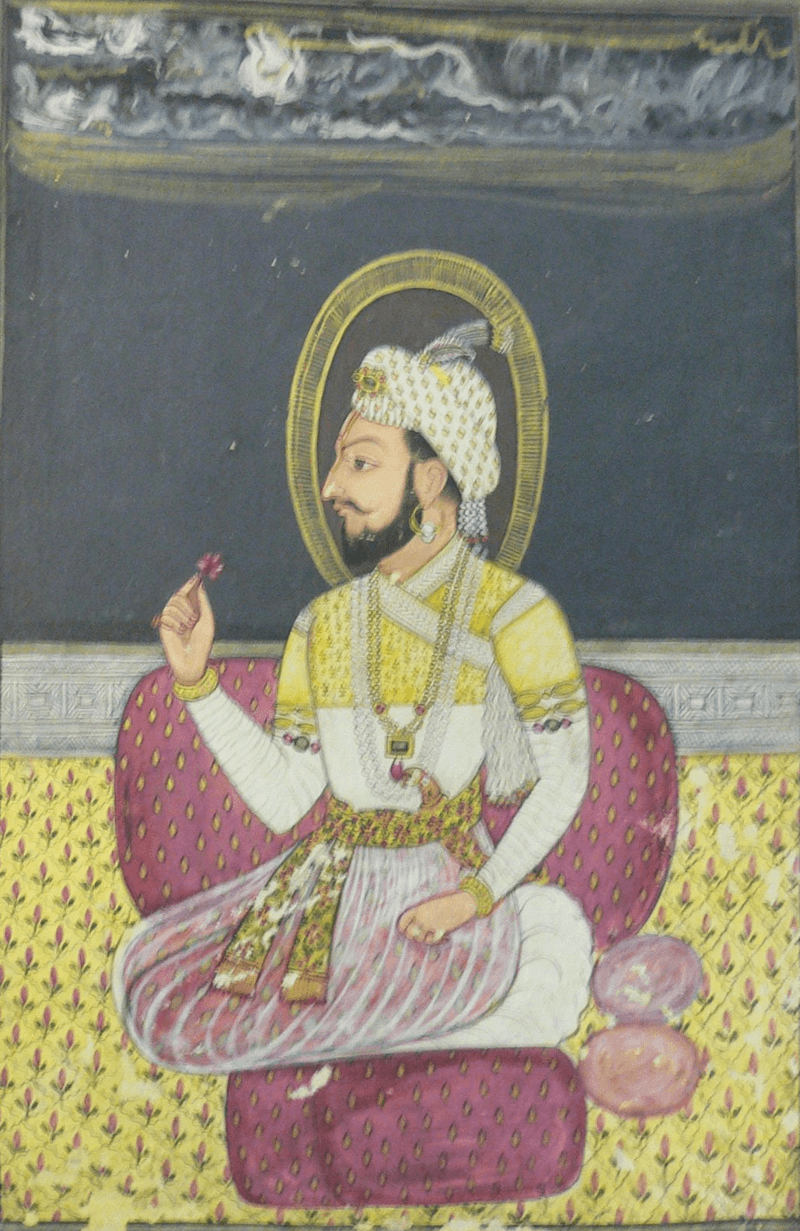
Between the 7th and 10th centuries CE, India witnessed the rise of the Bhakti movement, a significant socio-religious transformation that reshaped Hinduism and left an
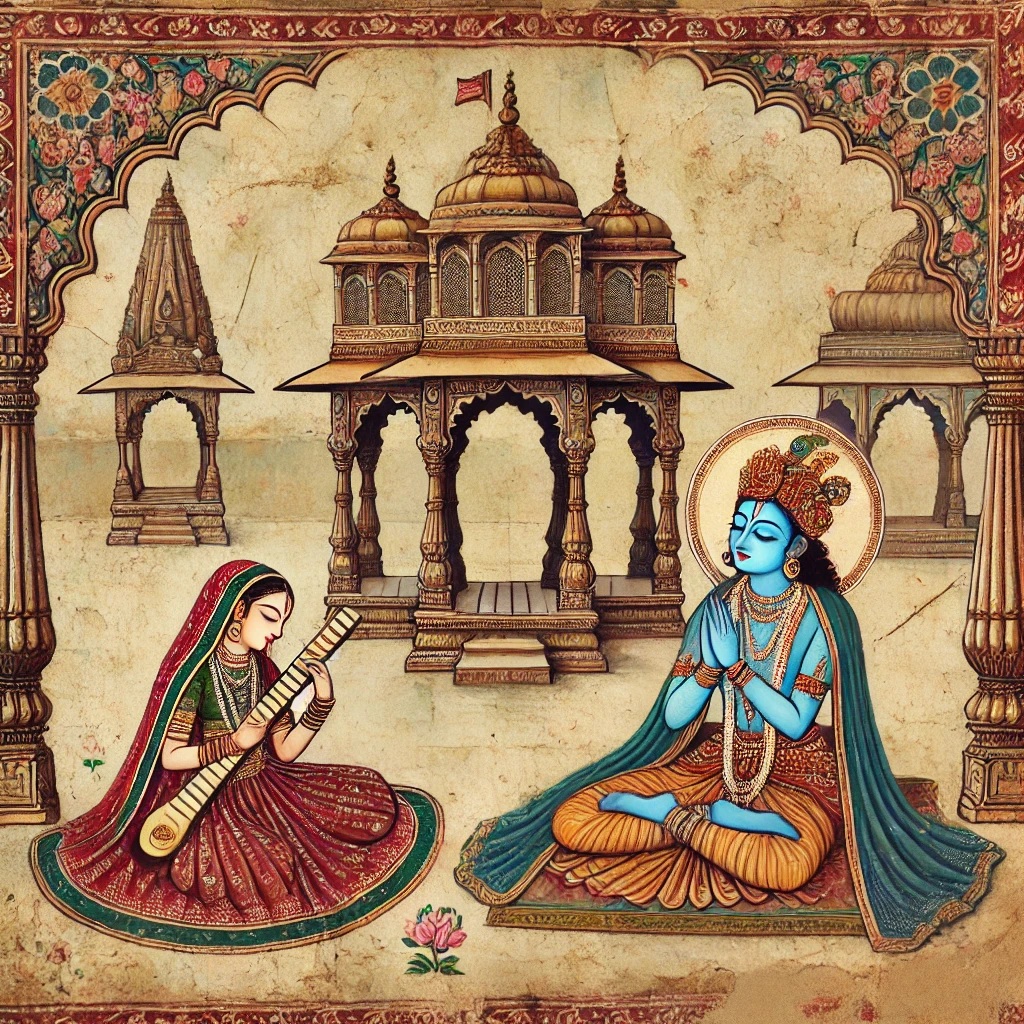
Charles Cornwallis, 1st Marquess Cornwallis (1738–1805), remains one of Britain’s most multifaceted figures. His career, marked by military command in the American Revolutionary War and
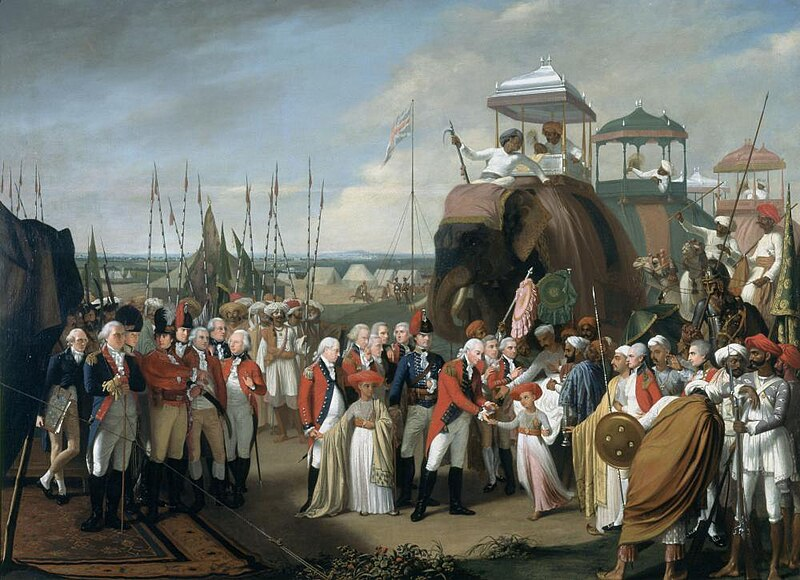
Hindu temple architecture stands as one of the most remarkable and enduring facets of Indian culture, evolving over centuries to reflect profound spiritual ideas, artistic

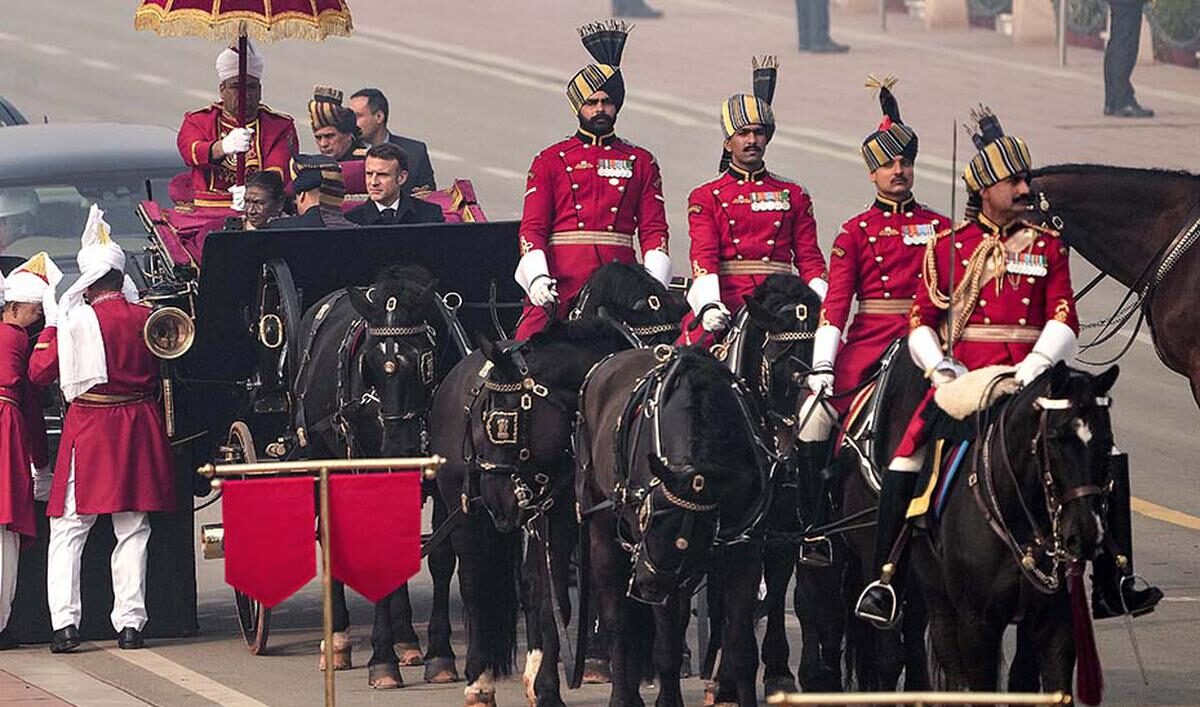
Why is Republic Day celebrated in India on 26th January? Republic Day, celebrated on 26th January, marks a defining moment in India’s history. It was
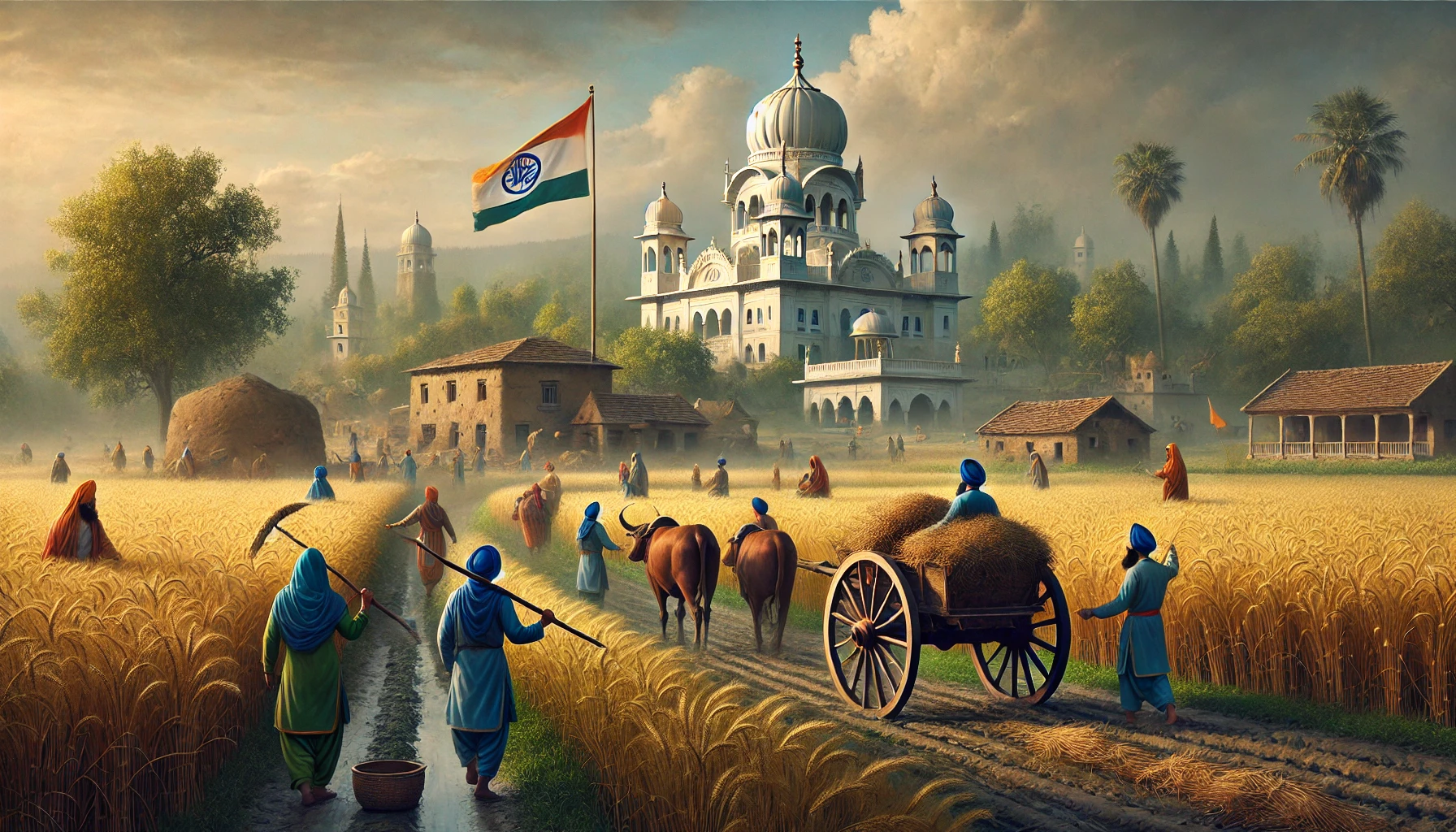
Punjab, often referred to as the “Granary of India” or the “Land of Five Rivers,” is a vibrant state in northern India. Known for its
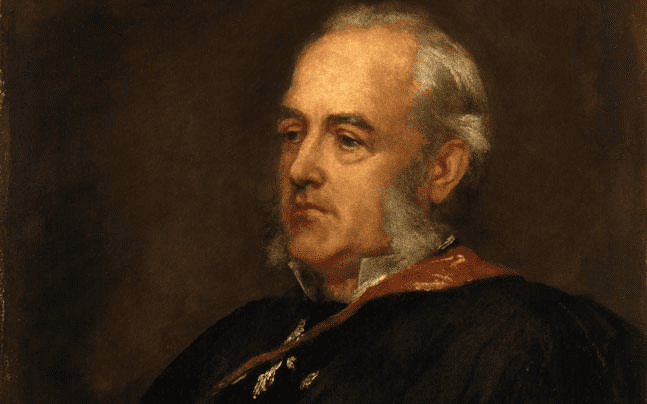
Max Müller, a pioneering scholar of Indology, occupies a prominent place in the study of Indian culture, religion, and languages. His monumental contributions, especially in
Himachal Pradesh, known as the “Land of the Gods,” is a serene and picturesque state nestled in the lap of the Himalayas in northern India.

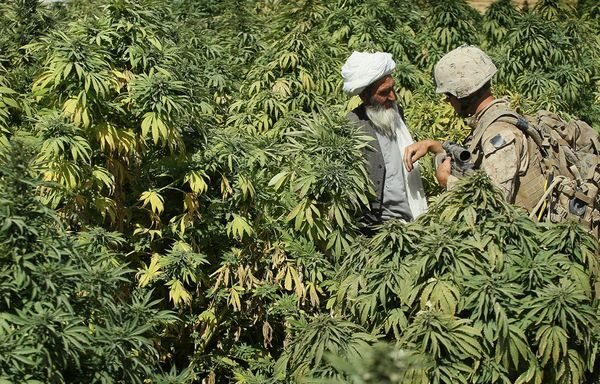
Cannabis in the Himalayan Region The Himalayan region, stretching across northern India, Pakistan, and Afghanistan, is one of the oldest and most significant areas for