History of Delhi: From Ancient Origins to Modern Metropolis
Delhi, the capital city of India, is one of the oldest continuously inhabited cities in the world, with a history spanning over 2,500 years. Its
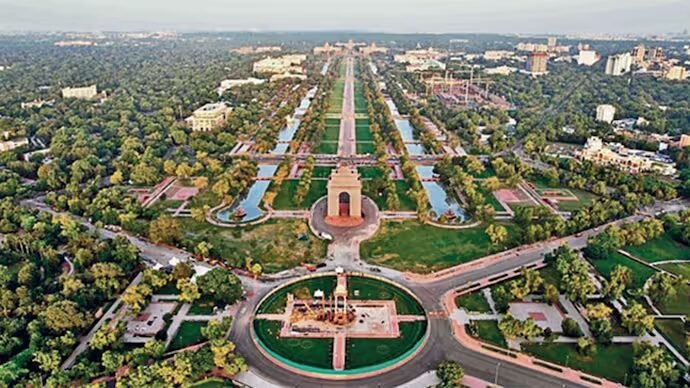
Empires, kings, and forgotten capitals — the sweep of Indian civilisation through time.
Delhi, the capital city of India, is one of the oldest continuously inhabited cities in the world, with a history spanning over 2,500 years. Its
The Kannauj Triangle is one of the most fascinating episodes in medieval Indian history, marked by a prolonged struggle among three major empires: the Gurjara-Pratiharas,

The Pala Dynasty (8th–12th centuries CE) stands as one of the most influential dynasties in Indian history. Ruling over Bengal, Bihar, and parts of Odisha,

Harsha Vardhana The decline of the Gupta Empire in the 6th century CE left northern India fragmented into numerous smaller kingdoms. Amid this period of

The period between the 7th and 10th centuries CE witnessed the rise of dynamic maritime trade networks in the Indian Ocean. During this time, South
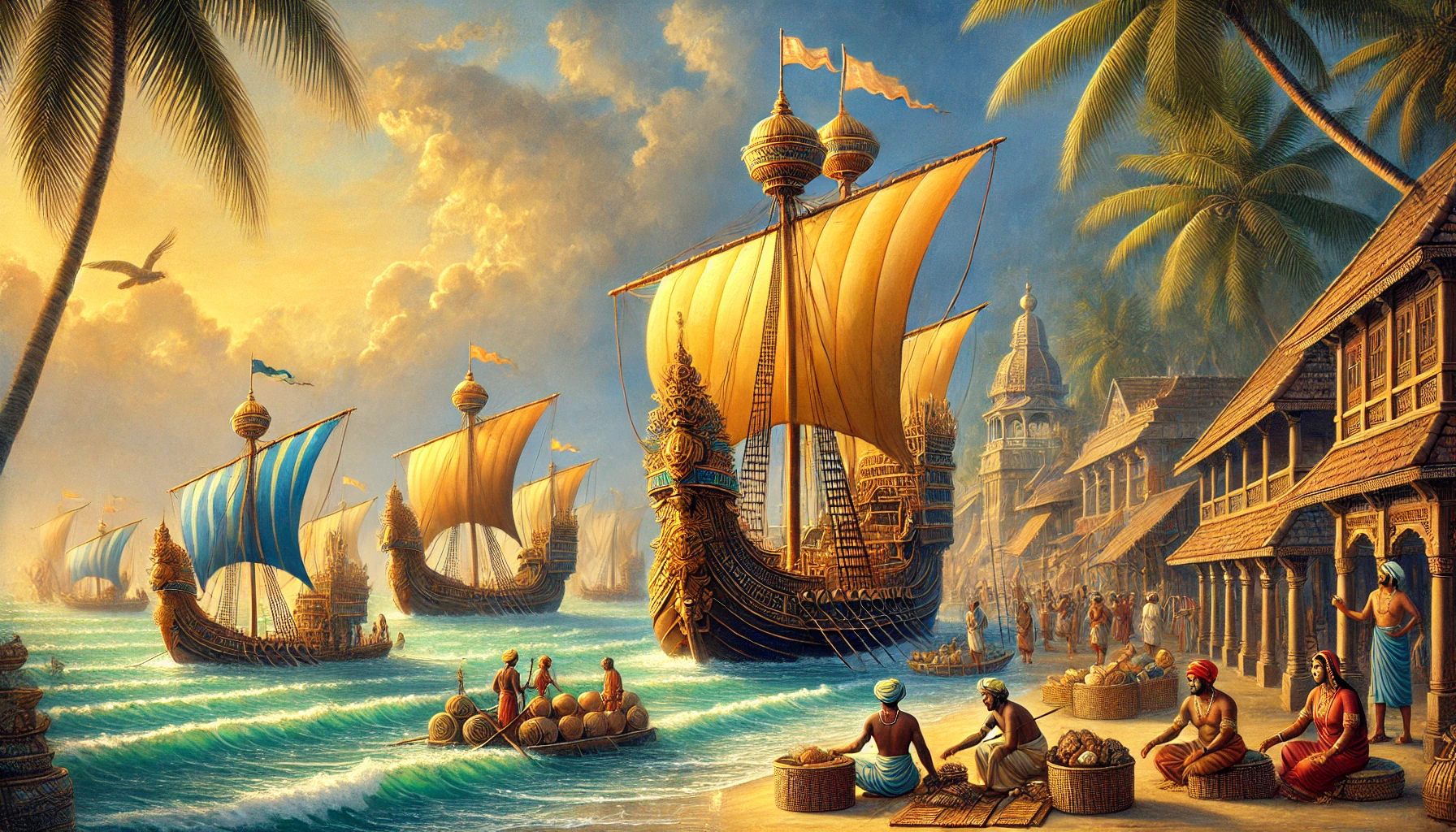
The Rashtrakuta dynasty (8th–10th centuries CE), one of India’s most powerful and culturally influential empires, made remarkable contributions to art, architecture, and religion. Among their
Indian history between the 7th and 10th centuries CE was marked by remarkable political rivalries and cultural efflorescence. Among the most notable of these rivalries
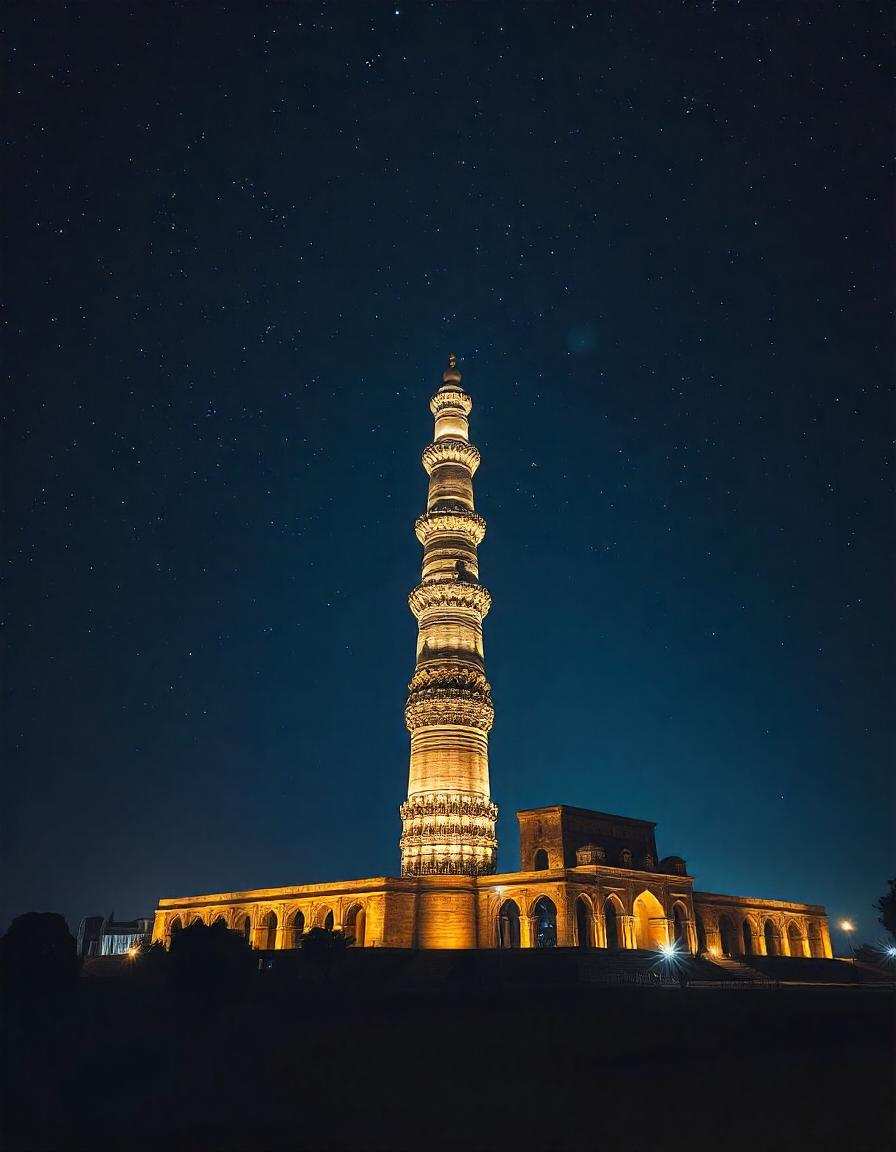
The Untold Story of Qutub Minar: Built on the Ruins of Hindu and Jain Temples The Qutub Minar, an iconic structure and UNESCO World Heritage
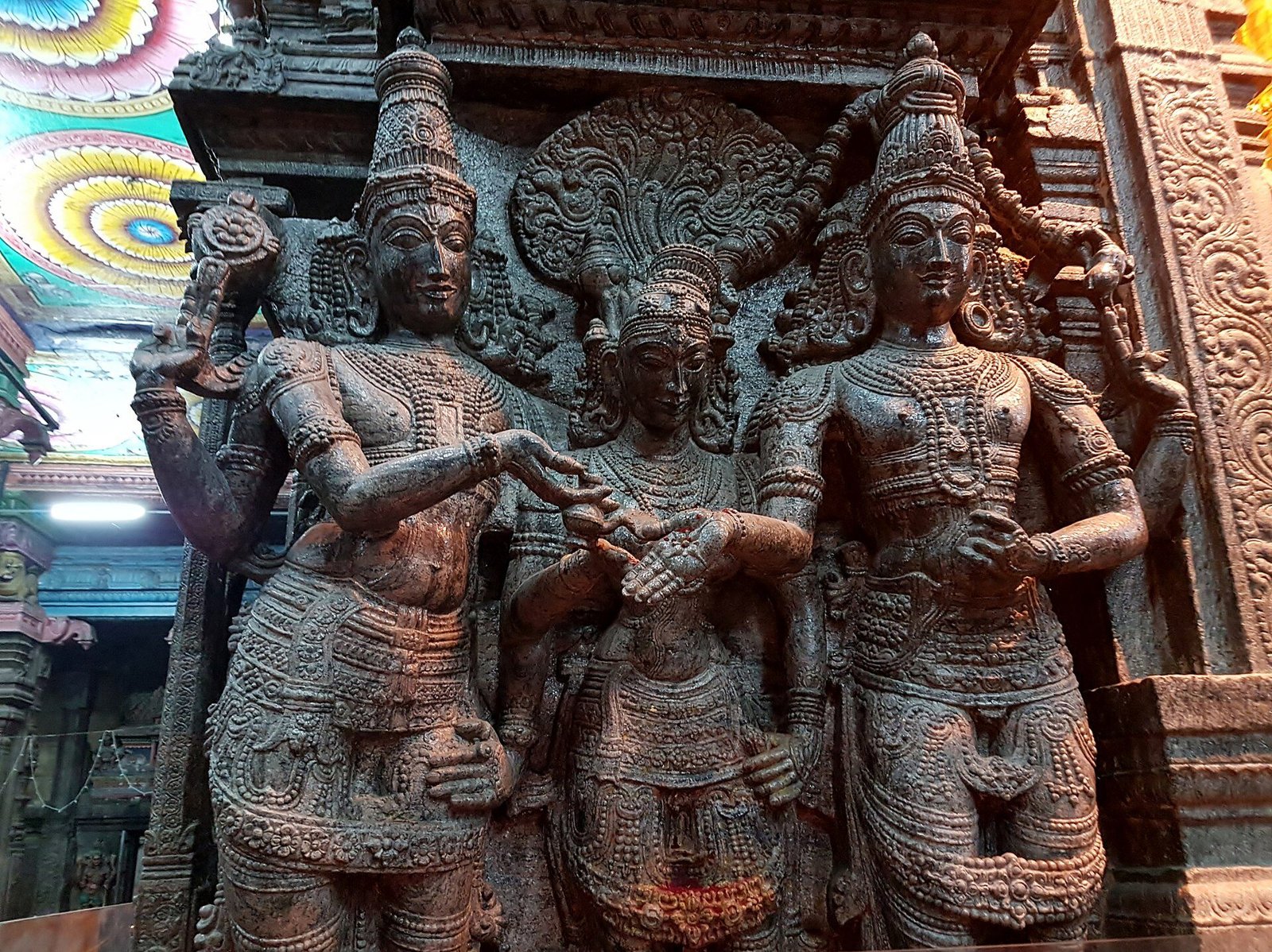
The Pandyan Empire, one of the ancient Tamil dynasties of South India, is a unique example of longevity and cultural flourishing. With roots stretching back
Guru Gobind Singh, the tenth and last human Guru of Sikhism, stands as a towering figure in Indian history. His life (1666–1708) was a blend
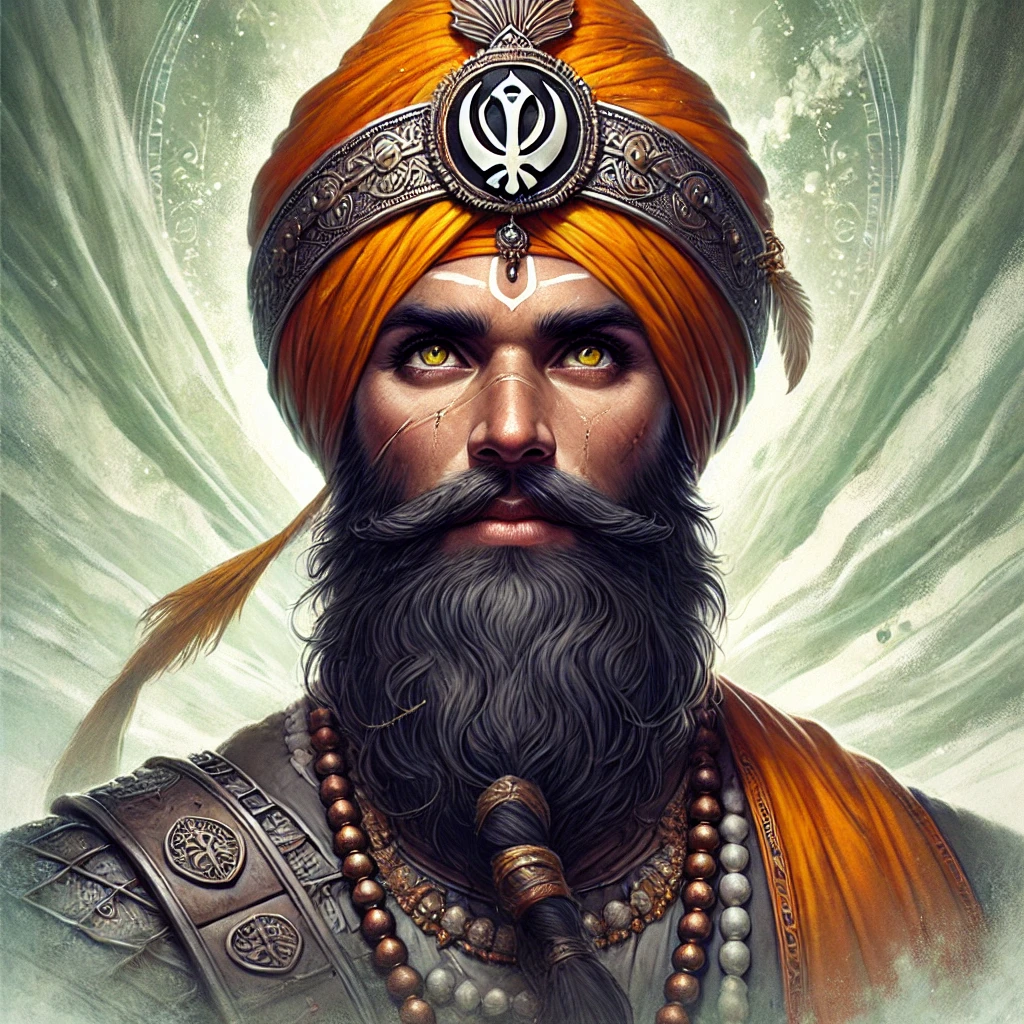
The Siege of Chittorgarh in 1303 is one of the most significant events in medieval Indian history, representing the culmination of Sultan Alauddin Khilji’s expansionist

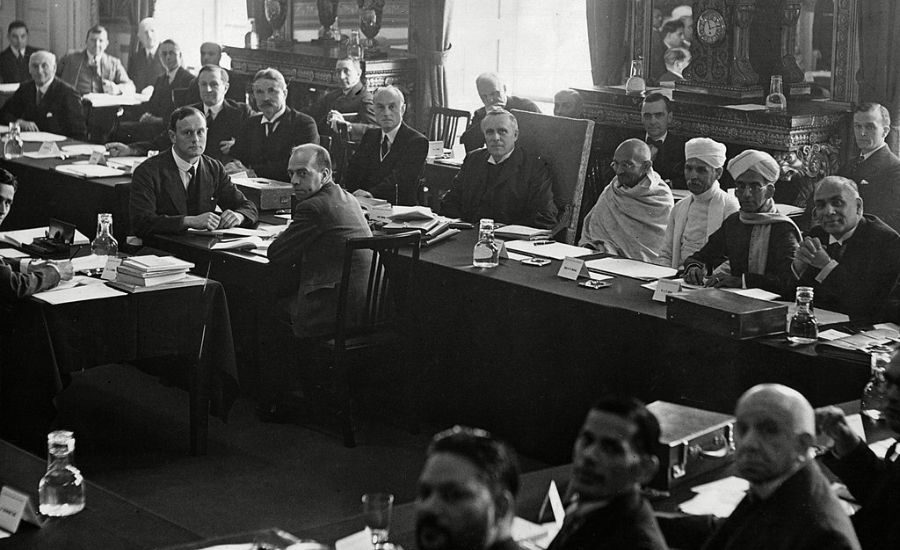
The elections held in India before its independence in 1947 marked critical milestones in the nation’s political history. These contests, initiated under British colonial rule,
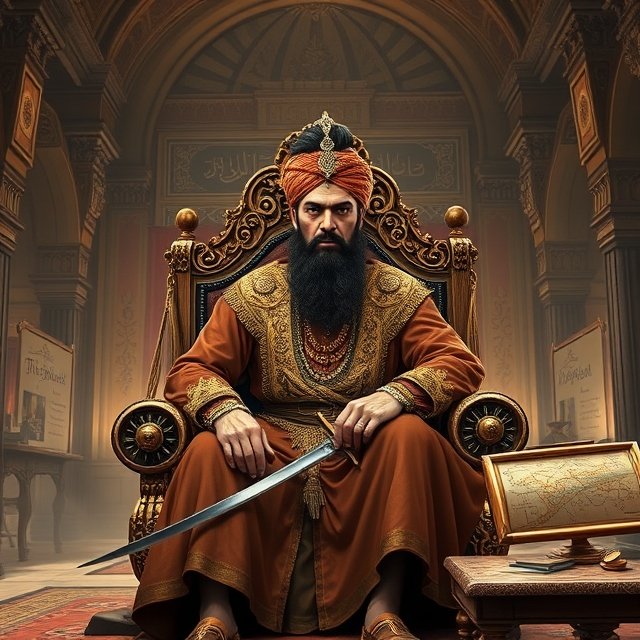
History often remembers rulers as either visionaries or tyrants, but Muhammad bin Tughlaq, the Sultan of Delhi from 1325 to 1351, defies such simplistic categorization.
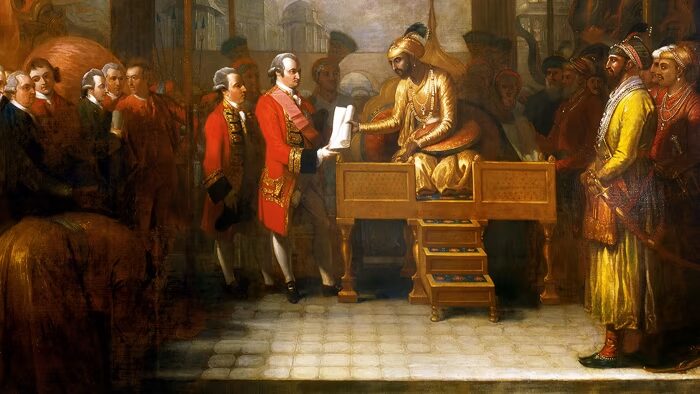
Introduction The East India Company (EIC) began as a modest trading venture in 1600 and grew into a global power that controlled vast territories and
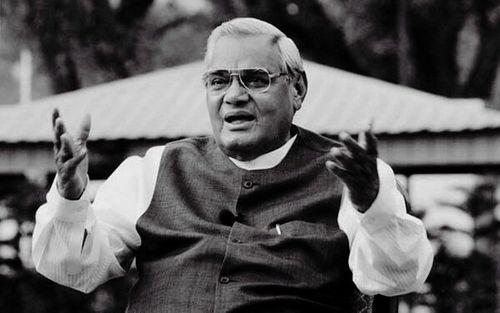
Atal Bihari Vajpayee was a leader whose legacy transcends political boundaries, earning him admiration across India and the world. A statesman, poet, and orator par
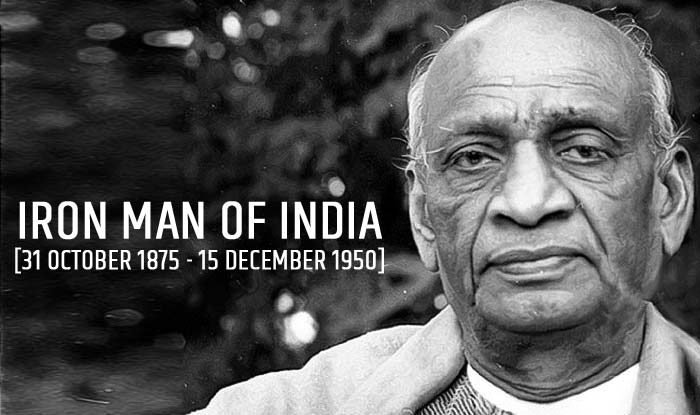
Sardar Vallabhbhai Patel, often revered as the “Iron Man of India,” stands as a symbol of unwavering determination, dedication, and diplomacy. His pivotal role in
India’s rich history is full of powerful dynasties that have shaped its cultural, political, and economic landscape. Among these dynasties, the Western Satraps, also known

1. Early Life and Education Mohandas Karamchand Gandhi, later known as Mahatma Gandhi, was born on October 2, 1869, in Porbandar, Gujarat. His father, Karamchand

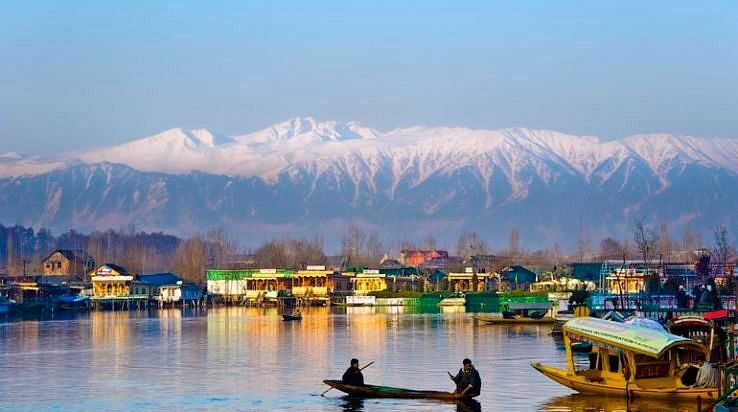
Kashmir, often referred to as the “paradise on Earth,” holds a significant place in indian civilizational history due to its rich cultural, religious, and political
Ancient Indian Wars (3500 BCE–200 CE) – Introduction: The early history of the Indian subcontinent is marked by a series of monumental wars and conflicts
